Around the Table: Where Democracy Begins
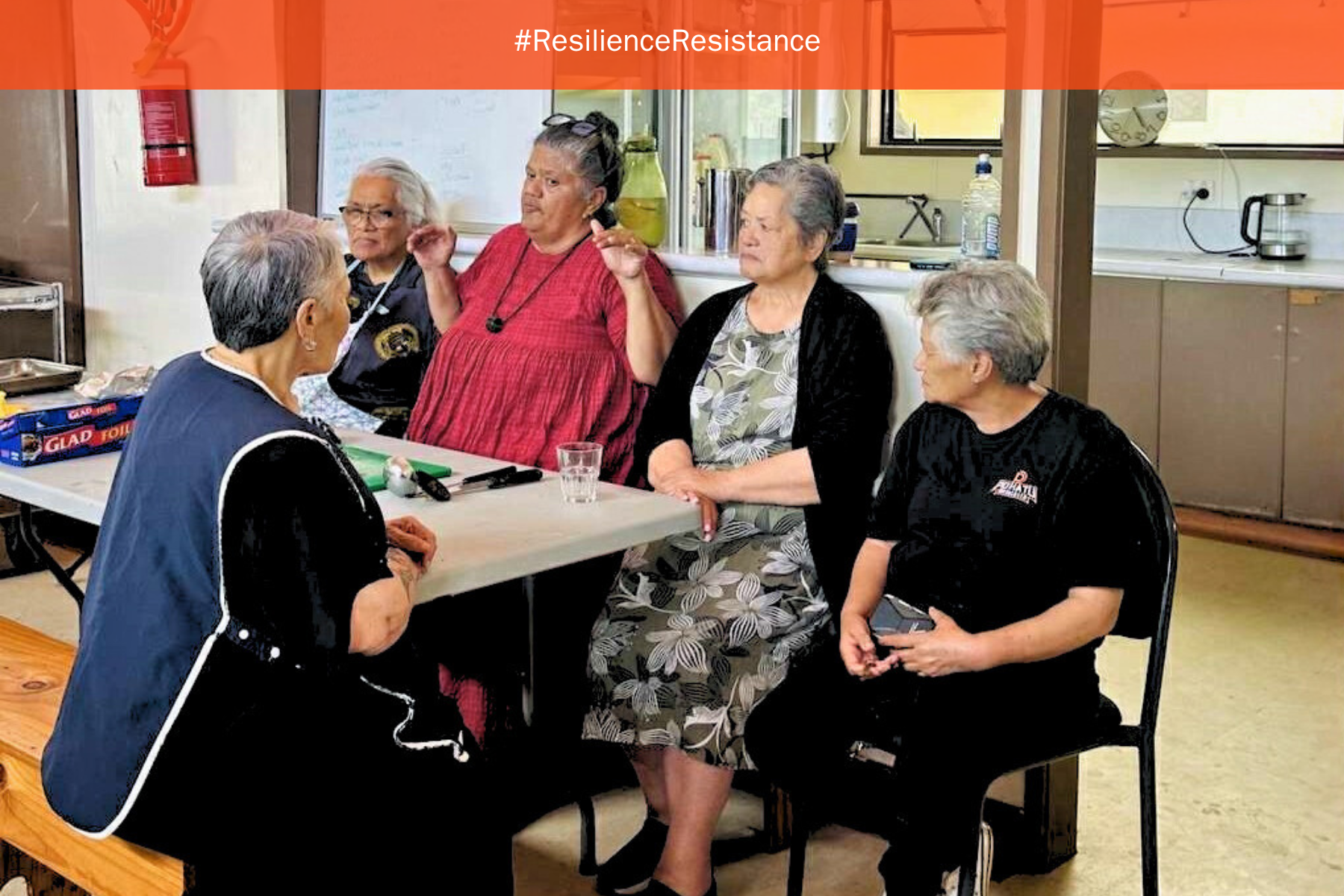
Sometimes democracy begins around a table. Sometimes it begins in a gathering with whānau (extended family) where kai (a meal) is shared, stories are told, and courage is quietly born in conversation. This is where we begin.
We were just ten days away from the close of local elections, what you might call city elections.
In Aotearoa, or New Zealand, these elections happen every three years, usually in October. This is community-based democracy at its heart, rooted in participation, where residents help shape the future of their towns, cities, and regions. This is how communities decide who makes choices about local issues such as water, housing, roads, parks, libraries, and the well-being of community members.
And for Māori, especially in my district and community, this part matters in a very real way. Our vote is not just paperwork. It is a way of carrying forward who we are and making sure our communities are not spoken for by others. When we participate, we remind local government that decisions about the land, water, roads, and the well-being of community members must include us.
There is a lot in our district that needs attention: aging water systems, unsafe and unsealed roads, limited and overcrowded housing, the pressure on our coastlines due to overuse and poor planning, and the growing impacts of climate change on our communities and cultural sites. Access to health care, transportation, and basic services is uneven. Māori families often feel these gaps the most.
These are not abstract political debates. They shape daily life for whānau across our communities. By voting, we make sure our experiences, our priorities, and our solutions are part of the decisions being made. It is how we protect what matters and push for the change our people deserve.
During these elections, many Māori communities are also campaigning for fair representation through Māori wards. This would ensure that our voices are heard at decision-making tables. For us, this is more than politics. It is tino rangatiratanga, our right to self-determination and shared leadership in the places we call home.
As a kuia,—an elder woman of my tribe—a nanny, and an aunt, I see it as my role to activate our circle of influence. When elections draw near, I gather our whānau, more than 20 of us, around the table. The gathering includes grandchildren old enough to vote, nieces, nephews, cousins, young parents, new voters, in-laws, and elders. Each comes with their voting papers in hand, ready to learn. Ready to listen.
We do not start with candidates. Over dinner, we ask the deeper questions: What is the role of local and city government? What will this mean for us as a whānau, as a tribe, as a community? What kind of leadership will protect our whenua—our ancestral land, uphold our values, and build the future we want for our mokopuna, our grandchildren?
Only after this conversation do we talk about the candidates, who they are, what they stand for, and what their campaigns really mean for us. Through debate, laughter, and reflection, everyone comes to their choice. By the end of the meal, our voting papers are filled in, sealed, and ready to post.
We also organize a time for whānau to bring their forms to our marae, our traditional gathering place. Sitting side-by-side at a table, sharing a cuppa, and reviewing the forms together, gives confidence and reinforces that every voice matters.
These gatherings may seem small, but they carry real power. Each hui, or gathering, is a chance to grow political awareness, strengthen critical thinking, and build belief in our collective voice. What begins around the table ripples outward, fortifying families, shaping communities, and showing that even small acts of participation create profound change. Democracy is not abstract. It lives in our kitchens, our marae, our stories, and our shared meals. It lives in the wisdom of our elders and the curiosity of our young ones. It is the practice of belonging, responsibility, and hope.
Around the world, others are gathering too. They are standing, teaching, resisting, and defending democracy in their own ways. From our tables here in Aotearoa to your town halls, city squares, and community spaces, we are connected by the same truth: every voice matters because democracy is strongest when it lives in the hearts, hands, and homes of the people.
Phoebe Davis is an activist for Māori rights and education in Aotearoa. She is also a former Kettering Foundation international fellow.
Resilience & Resistance is a Charles F. Kettering Foundation blog series that features the insights of thought leaders and practitioners who are working to expand and support inclusive democracies around the globe. Direct any queries to globalteam@kettering.org.
The views and opinions expressed by contributors to our digital communications are made independent of their affiliation with the Charles F. Kettering Foundation and without the foundation’s warranty of accuracy, authenticity, or completeness. Such statements do not reflect the views and opinions of the foundation which hereby disclaims liability to any party for direct, indirect, implied, punitive, special, incidental, or other consequential damages that may arise in connection with statements made by a contributor during their association with the foundation or independently.