Between Pressure and Possibility: Civil Society in Romania
Civil society in Romania has long played the role of both safety net and watchdog. From the volunteer groups that sprang up after the revolution in 1989 to today’s professionalized nongovernmental organizations (NGOs), the sector has consistently stepped in where public institutions struggled by supporting vulnerable families, defending rights, protecting the environment, and helping communities organize for change.
In 2026, this ecosystem is more active than ever. But it is also under strain. Legal uncertainty, political pressure, insecure funding, and staff burnout coexist with renewed citizen engagement, EU support, and innovative grassroots organizing. The result is a civil society that feels both threatened and energized; it is being pushed to adapt and is determined to stay relevant.
This article looks at the landscape today: its pressures, its promise, and the path ahead.
A Growing Sector with Growing Pains
Romania’s nonprofit community is large. The latest Snapshot of the Romanian NGO Sector, published by the Civil Society Development Foundation (FDSC), reports that there are more than 127,000 active NGOs across the country, putting Romania among Eastern Europe’s busiest civic ecosystems. This ecosystem includes countless local associations, village cultural clubs, parent groups, youth organizations, social services, NGOs, environmental watchdogs, and more. But the FDSC report also reveals that quantity does not equal stability.
Most NGOs are small and financially fragile. According to the snapshot, 78% of these organizations said they had to limit or stop services because of lack of funding. Even as civil society represents about 1.5% of Romania’s GDP, the financial stability of many of the groups is precarious.
Staffing is another pressure point. Approximately 127,000 people are employed by NGOs, but salaries cannot compete with those in the private sector so losing trained staff is common. Burnout is rampant, especially in organizations that directly support families, youth, or vulnerable groups.
Still, despite the financial strain, the sector is professionally and geographically diverse, which is an important foundation for its resilience.
A Civic Space Feeling the Squeeze
Beyond the day-to-day organizational challenges, Romanian civil society is experiencing something more concerning: a tightening civic space.
The European Civic Forum’s Civic Space Report 2025 lists Romania as operating in a “narrowed” environment. Bureaucratic burdens and political rhetoric are increasingly discrediting NGOs, especially those working on rights and accountability. Some organizations report that public authorities are less willing to consult with NGOs on policy issues, while others say access to public information is becoming more contentious.
In recent years, proposed legislative changes have included stricter reporting requirements, constraints on political advocacy, and expanded grounds for dissolution. These measures echo similar trends across parts of Central and Eastern Europe. Even when such bills do not pass, they create uncertainty and a chilling effect.
Judicial oversight remains a functioning avenue for civic action, even as political conditions become tense. In 2025, two organizations, Declic and Bankwatch Romania, won multiple court cases that exposed illegalities in a controversial hydropower project that would have affected protected forests. Courts suspended parts of the project, saying environmental procedures were not followed.
Citizens Are Still Engaged
Despite political friction, Romanians continue to engage with the nonprofit sector in meaningful ways. Surveys from national civic research projects show that about one in three Romanians interacts with an NGO each year through volunteerism, donations, or participation in community activities.
Public trust is another bright spot. About half of Romanians say they trust NGOs, with that trust being significantly higher among younger people. The 18–29 age group in particular sees NGOs as more transparent and more mission-driven than most public institutions.
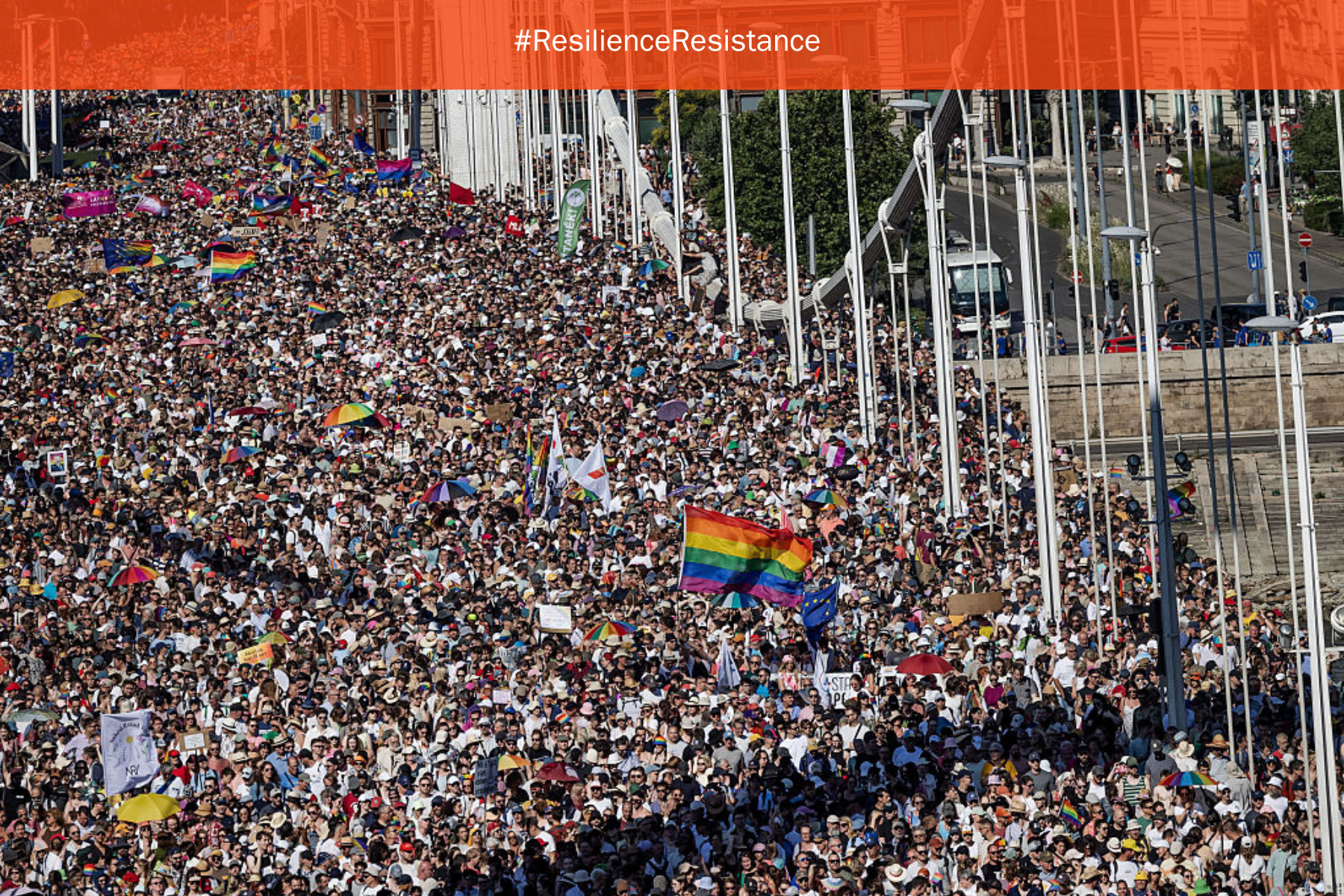
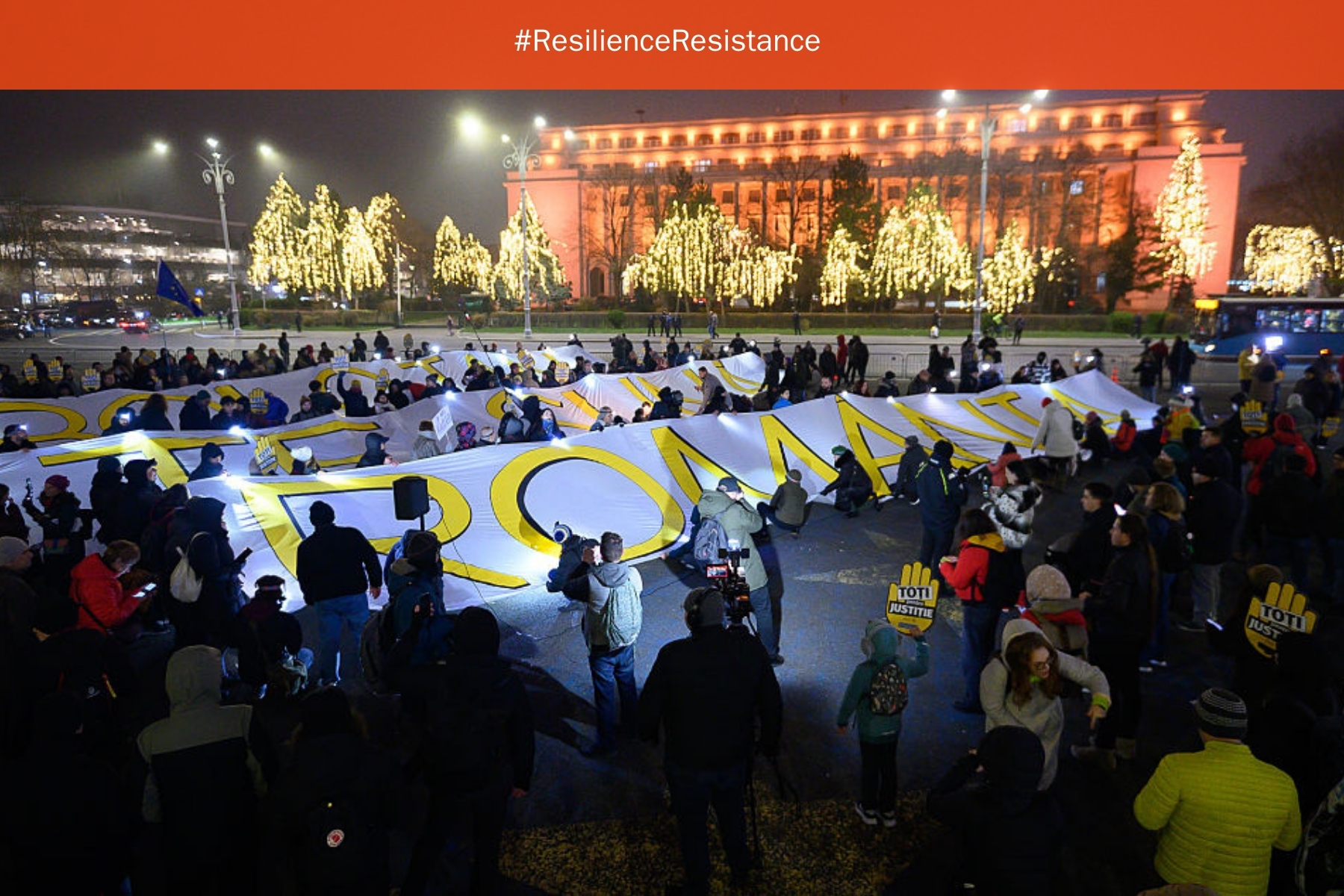
And, when civic values feel threatened, people still show up. In June 2025, tens of thousands marched in Bucharest to demand LGBTQ+ equality and legal recognition of partnerships, a sign that civil society’s mobilizing power remains strong, even on polarizing issues.
Grassroots groups also continue to play a crucial role in organizing the small-town activism, environmental monitoring, and social support networks that rarely make national news.
Meanwhile, service-delivery NGOs remain some of the country’s most respected institutions. Organizations like World Vision Romania have reported record participation and success from their rural education programs, which help teenagers from disadvantaged regions enroll in and pass key national exams.
Success stories like these remind the public that civil society isn’t just about protest or policy reform; it’s also about the day-to-day work of providing people with opportunities they might not otherwise have.
The Power and Limits of International Support
Romania’s civil society gains much of its strength from collaboration beyond its borders. The Active Citizens Fund Romania, part of the European Economic Area and Norway Grants, closed its latest funding cycle in 2025 after investing €48 million in 325 projects focused on democracy, inclusion, rights, and community participation. More than 380,000 Romanians engaged in activities supported by the fund, proof that outside investment can catalyze local participation.
For many smaller NGOs, especially those in rural areas or that work with marginalized groups, international funds provide the stability that domestic funding usually cannot. These funds also offer training, networking, and the kind of long-term planning opportunities that small organizations struggle to achieve on their own.
But the downside is that these funds are cyclical. When one funding period ends, groups must brace for a gap before the next one opens. The challenge is how to translate these temporary boosts into permanent organizational strength.
Challenges and Signs of Renewal
Looking across the landscape, several challenges stand out:
- Financial precarity remains the sector’s defining weakness.
- Staff burnout and an inability to retain skilled professionals hinder long-term capacity.
- Legal volatility creates fear among rights-focused organizations.
- Public dialogue between authorities and NGOs is inconsistent and often adversarial.
Yet the opportunities are real:
- Youth engagement is rising and bringing new energy and expectations.
- European investment continues to strengthen organizational capacity.
- Judicial wins show that accountability mechanisms still function.
- Grassroots groups are more organized, more networked, and more vocal.
Civil society in Romania today is not fragile, it is tested. It is being pushed to adapt, to protect its space, and to find new ways of collaborating with communities.
A Sector at a Crossroads
Today, Romanian civil society stands somewhere between endurance and reinvention. It is caught between political pressure and public trust, between financial scarcity and rising citizen engagement, between fatigue and determination.
What makes the sector so striking is not simply its survival but its ability to keep expanding the space for dignity, participation, and fairness in everyday life. Whether through a volunteer-run community center in a small town, a legal challenge in a national court, or youth marching for rights in the capital, civil society continues to define what civic responsibility looks like in Romania.
If the future belongs to those who stay engaged, then civil society is already shaping that future, one community, one case, one march, one intervention at a time.
Iulia Georgescu is a Romanian public policy professional specializing in democratic engagement and innovation. She designs participatory processes, mentors emerging leaders, and helps institutions strengthen dialogue with communities. Georgescu is also a former Kettering Foundation international fellow.
Resilience & Resistance is a Charles F. Kettering Foundation blog series that features the insights of thought leaders and practitioners who are working to expand and support inclusive democracies around the globe. Direct any queries to globalteam@kettering.org.
The views and opinions expressed by contributors to our digital communications are made independent of their affiliation with the Charles F. Kettering Foundation and without the foundation’s warranty of accuracy, authenticity, or completeness. Such statements do not reflect the views and opinions of the foundation which hereby disclaims liability to any party for direct, indirect, implied, punitive, special, incidental, or other consequential damages that may arise in connection with statements made by a contributor during their association with the foundation or independently.