Beyond a Unifying Story: Enriching Narratives for Inclusive Democracy
Narratives are powerful. They shape our understanding of ourselves, other people, and the world around us. These systems of shared stories provide the justification—often unconsciously—for all our actions, including how we navigate differences.
For this reason, narratives can play a central role in driving polarization and conflict. But when understood and managed properly, narratives can help people deal with divisions, take shared responsibility for resolving problems, and build more inclusive societies.
In divided contexts, the narrative landscape is usually dominated by just a few stories that simplify complex realities and portray one group as heroes and others as villains. Such limited accounts create an extreme sense of “us versus them” that becomes the norm and blocks the cross-group engagement necessary for democracy to work.
The Risk of One Unifying Story
A standard depolarization tactic used to bridge fractioned groups has been to spread a new narrative that is based on unity and common ground. But people on both sides tend to ignore, or even attack, these unifying narratives.
Narratives can be rejected when they don’t affirm people’s understanding of the world or when they include values or facts outside personal experience. When divisions run deep, unifying narratives can be dismissed if they do not respond to the group grievances that are spurring them to conflict.
As an example, in an attempt to counter ethnic divisions and electoral violence, the government of Kenya launched a 2004 public communications campaign with the slogan “I am proud to be Kenyan” (Najivunia Kuwa Mkenya). Instead of increasing national unity and patriotism, the campaign gave rise to ridicule and the counter-slogan “I tolerate being Kenyan” (Navumilia Kuwa Mkenya).
Most Kenyans rejected this narrative of unity and pride because it was imposed without sensitivity to the socioeconomic inequalities and political instabilities that marked the country at that time.
The Value of Enriching the Narrative Landscape
Rather than dealing with polarization by creating a unifying or externally developed narrative, it is better to work directly with people who subscribe to divisive narratives and then transform these stories from within.
At the Institute for Integrated Transitions (IFIT), we do this in three ways.
- The first approach is to raise awareness about how narratives shape us, how they spread within and across networks of people, and how social and traditional media content producers and influential actors use narratives consciously and unconsciously to achieve their ends. We help people see the deep historical roots of divisive narratives, often in collective trauma, as well as the consequences these stories have for today’s actions and policies.
- The second way is to use narrative transformation strategies and tools—such as positive attribution and open-ended public debates—and work with influential actors and diverse groups at local and national levels to introduce new elements into their stories. These tools add complexity to the simplified us-versus-them narratives and help people spread transformed narratives to others.
- The third method is to amplify smaller stories that have been eclipsed by the dominant divisive narratives. These overshadowed stories show the complexity of the social and political reality and enrich the entire narrative landscape.
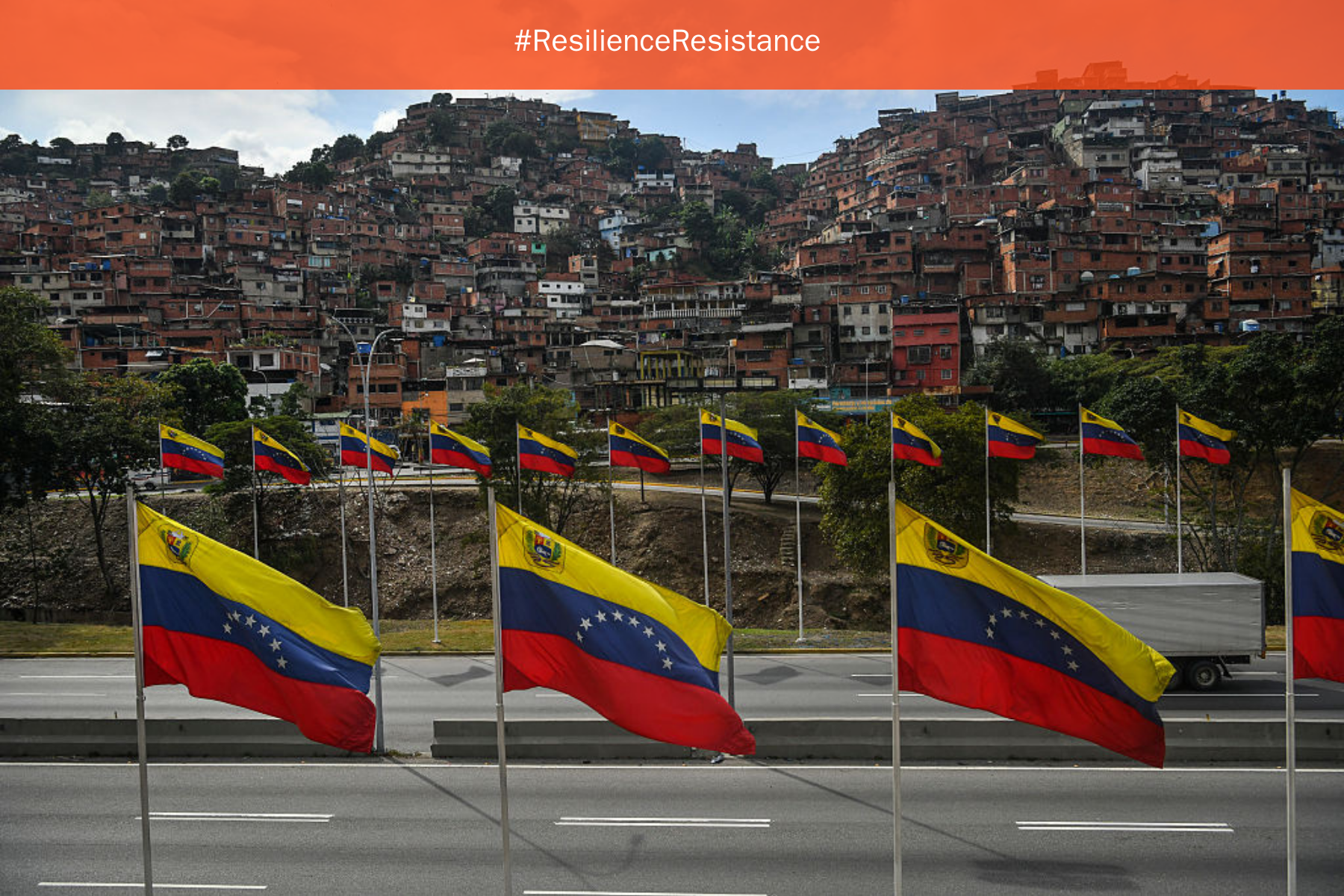
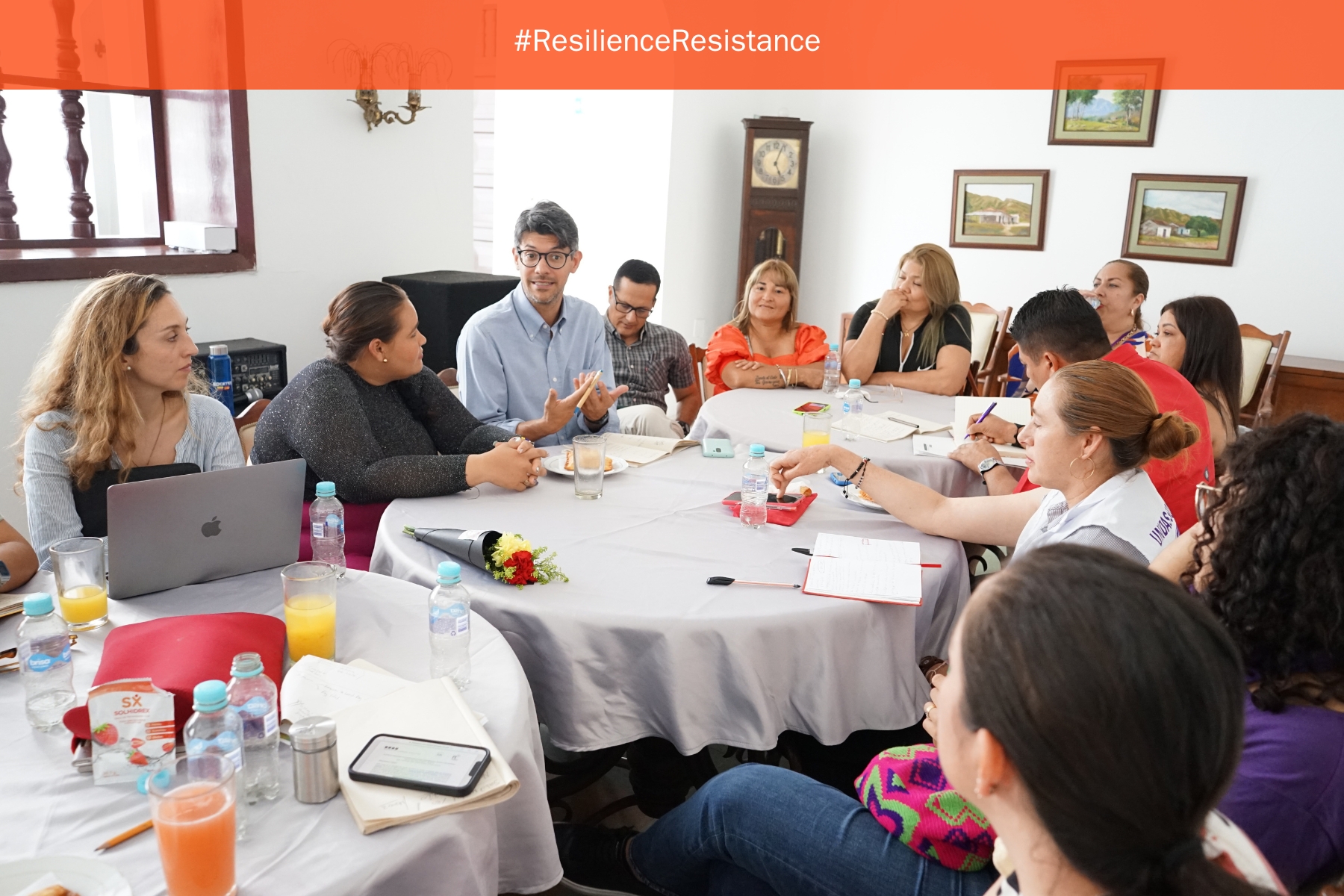
In Colombia, Venezuela, and Mexico, where narratives are key drivers of polarization and democratic challenges, IFIT teams have tailored our narrative peacebuilding approach to local realities. We have shown policymakers, civil society, and educational actors how to use narrative transformation tools designed for their specific context.
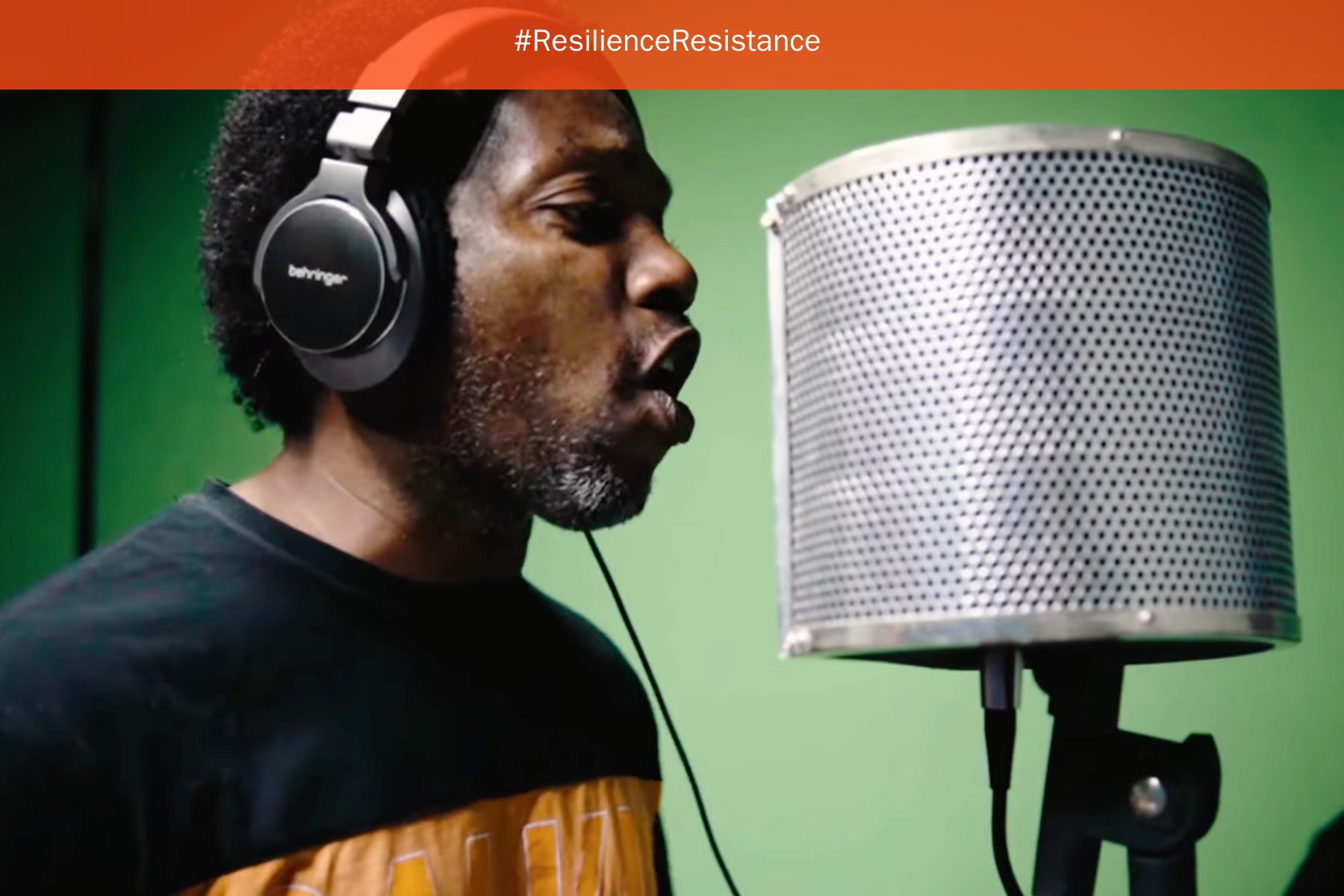
Because we recognize how important the arts are to building and spreading narratives, we have also used novels as a starting point for difficult conversations about the narratives that influence people’s attitudes, including victims and perpetrators, toward dealing with the past. We have brought together young people, who normally would not have interacted, to compose and perform songs that tackle the divisive narratives from their region, which is marked by armed conflict and segregation.
Narrative Peacebuilding as a Key to Inclusive Democracy
Over time, narrative peacebuilding has infused all of IFIT’s work. It is central to how we develop theories of change, reach out to stakeholders, design our activities, and facilitate interactions between people on different sides. Narrative transformation is now “in our blood,” and influences what we do every day.
One lesson we have learned is that bringing people into dialogue across divides is more effective when we understand not only what underpins their polarizing narratives but also how our own narrative biases influence the way we behave toward others, and even whether we choose to engage with them, often without realizing it.
In addition, we have learned that this type of work requires ongoing training, reflection, socialization, and documentation so that we can be sure we are aligned with the people we are working with. We must be aware of how narratives are affecting any given situation. This enables us to adapt to conditions as they evolve, whether during one of our activities or at the national level.
The main lesson we have learned, however, is that inclusive democracy is far more likely to thrive in a rich narrative landscape filled with diverse, complex stories. This makes narrative peacebuilding crucial to managing polarization and conflict.
Jasmina Brankovic is senior research specialist at the Institute for Integrated Transitions. With a focus on participatory methods, she works to advance narrative change, socioeconomic transformation, and climate justice in transitional contexts.
Resilience & Resistance is a Charles F. Kettering Foundation blog series that features the insights of thought leaders and practitioners who are working to expand and support inclusive democracies around the globe. Direct any queries to globalteam@kettering.org.
The views and opinions expressed by contributors to our digital communications are made independent of their affiliation with the Charles F. Kettering Foundation and without the foundation’s warranty of accuracy, authenticity, or completeness. Such statements do not reflect the views and opinions of the foundation which hereby disclaims liability to any party for direct, indirect, implied, punitive, special, incidental, or other consequential damages that may arise in connection with statements made by a contributor during their association with the foundation or independently.