David Bodary: Multiple Perspectives Made Democracy Stronger
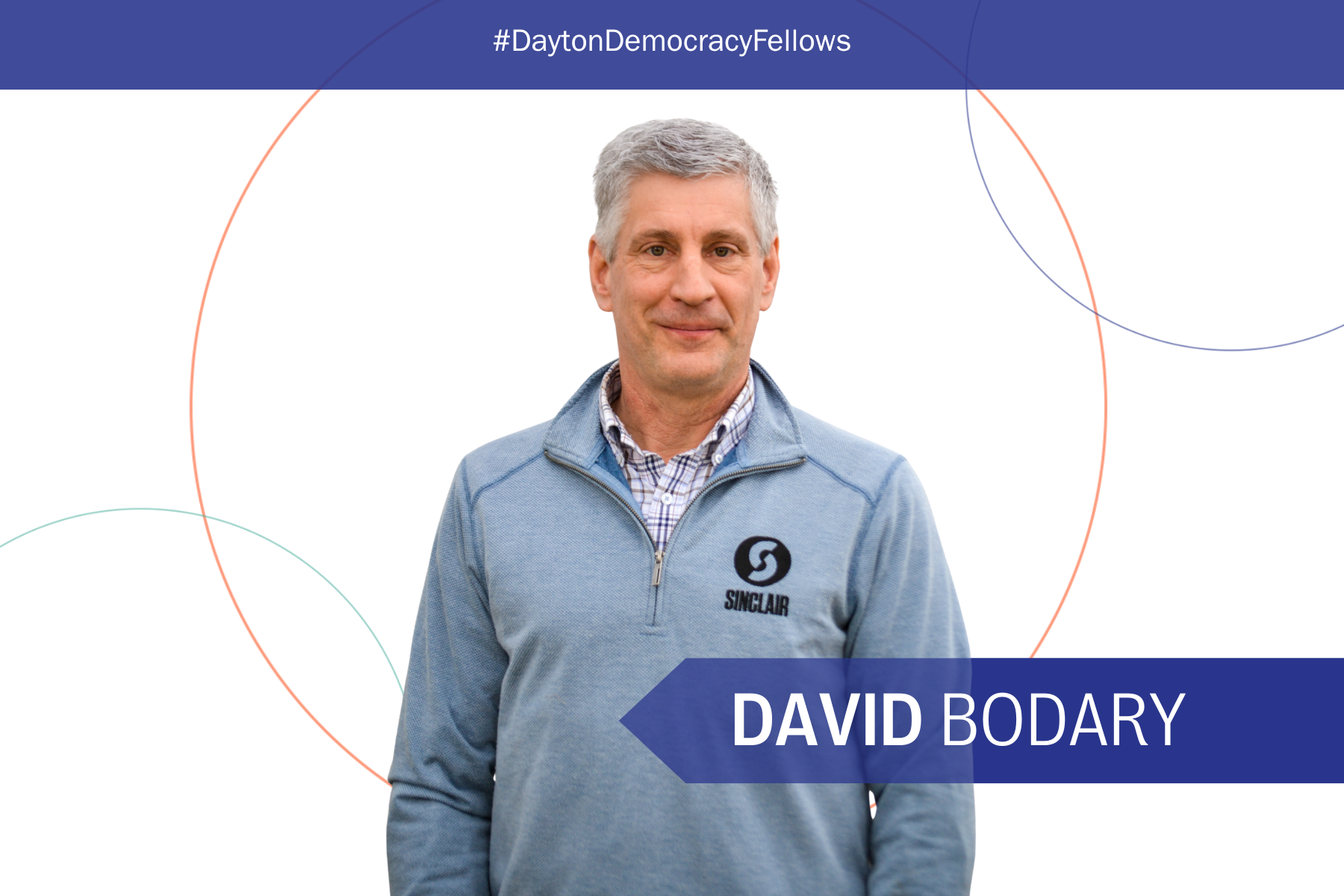
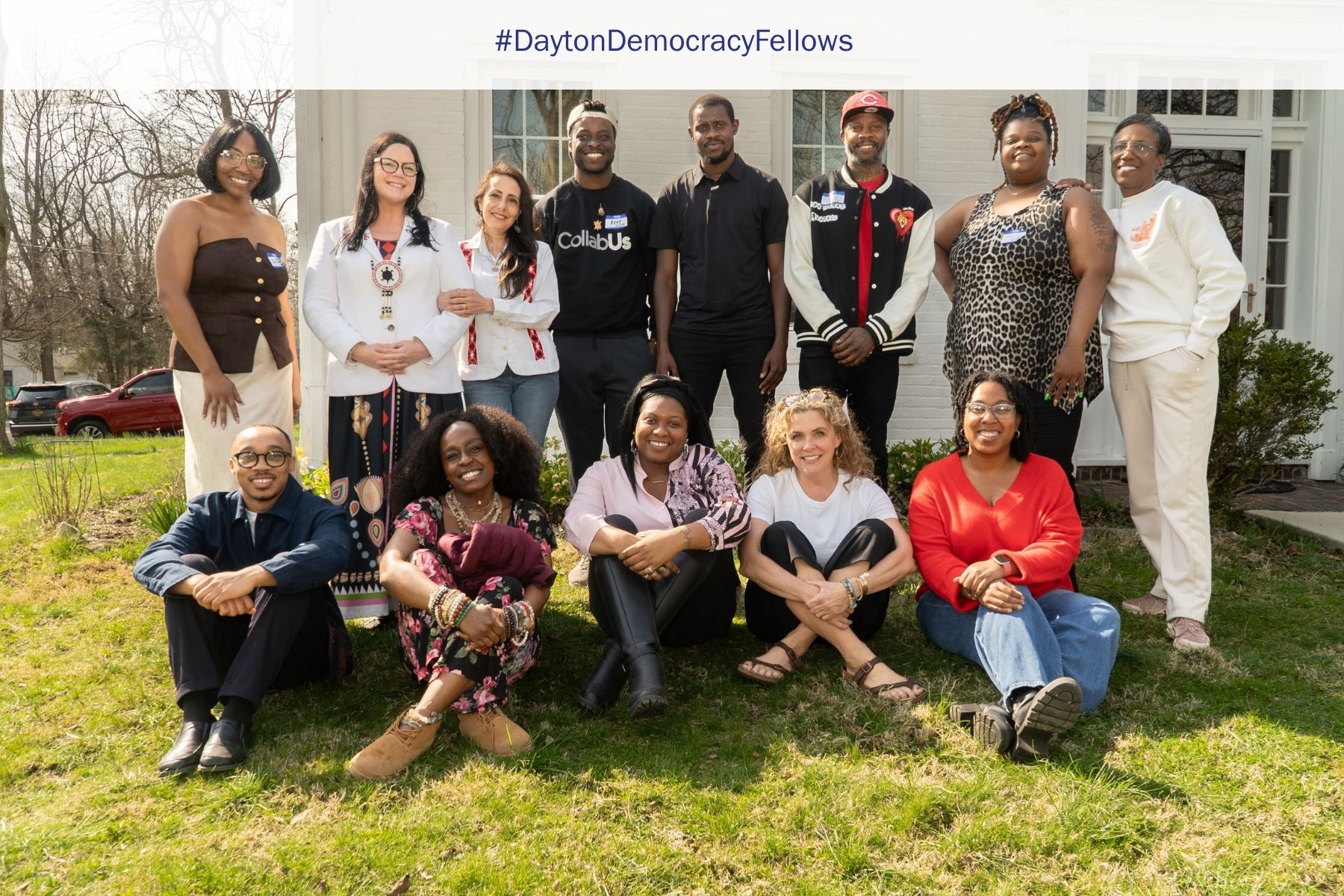
The Kettering Foundation’s Dayton Democracy Fellowship is a program that supports innovative leaders, changemakers, and dreamers who are building movements for inclusive democracy in their communities and in our wider world. This series of articles about the Dayton Democracy Fellows highlights their robust work and the powerful narratives that drive the advancement and defense of democracy.
Dayton Democracy Fellow David Bodary knows good communication when he hears it. After all, he has taught in the Department of Communication Studies at Sinclair College for more than 20 years and is now its chair. But he is not only interested in dialogue; it is also his passion to encourage the other half of the exchange: listening. He sees both as critical to democracy.
Bodary grew up outside of Detroit, Michigan. He specializes in teaching public speaking, a required course for several majors at the college. He also coauthored a textbook on that subject, which he helped rewrite. For many years, Bodary has had an interest in invitational rhetoric, a popular subject with students.
“There’s something between informing and persuading,” he said. “It’s this idea of inviting, which involves listening, asking good questions, and facilitating dialogue to reach a shared understanding. That is essentially what communication is, right?”
Bodary believes his approach is critical to helping students learn the skills of civic engagement. Students in his classes prepare speeches on public issues that allow for an understanding of multiple perspectives. “If I understand better why people believe what they believe, I can make a better informed choice on what is best for our community because it is our community, not my community. To some extent, democracy hinges on our ability to have these civil conversations that lead to a deeper understanding,” Bodary said.
His many volunteer activities bear out his conviction that everyone has a role in strengthening community. He volunteers with the League of Women Voters of the Greater Dayton Area and has served on its executive board. Bodary and the League host a monthly cable show on DATV, Empowering YOU!, to help viewers understand civic issues and highlight ways people can get involved. He has been known to bring entire classes to register to vote.
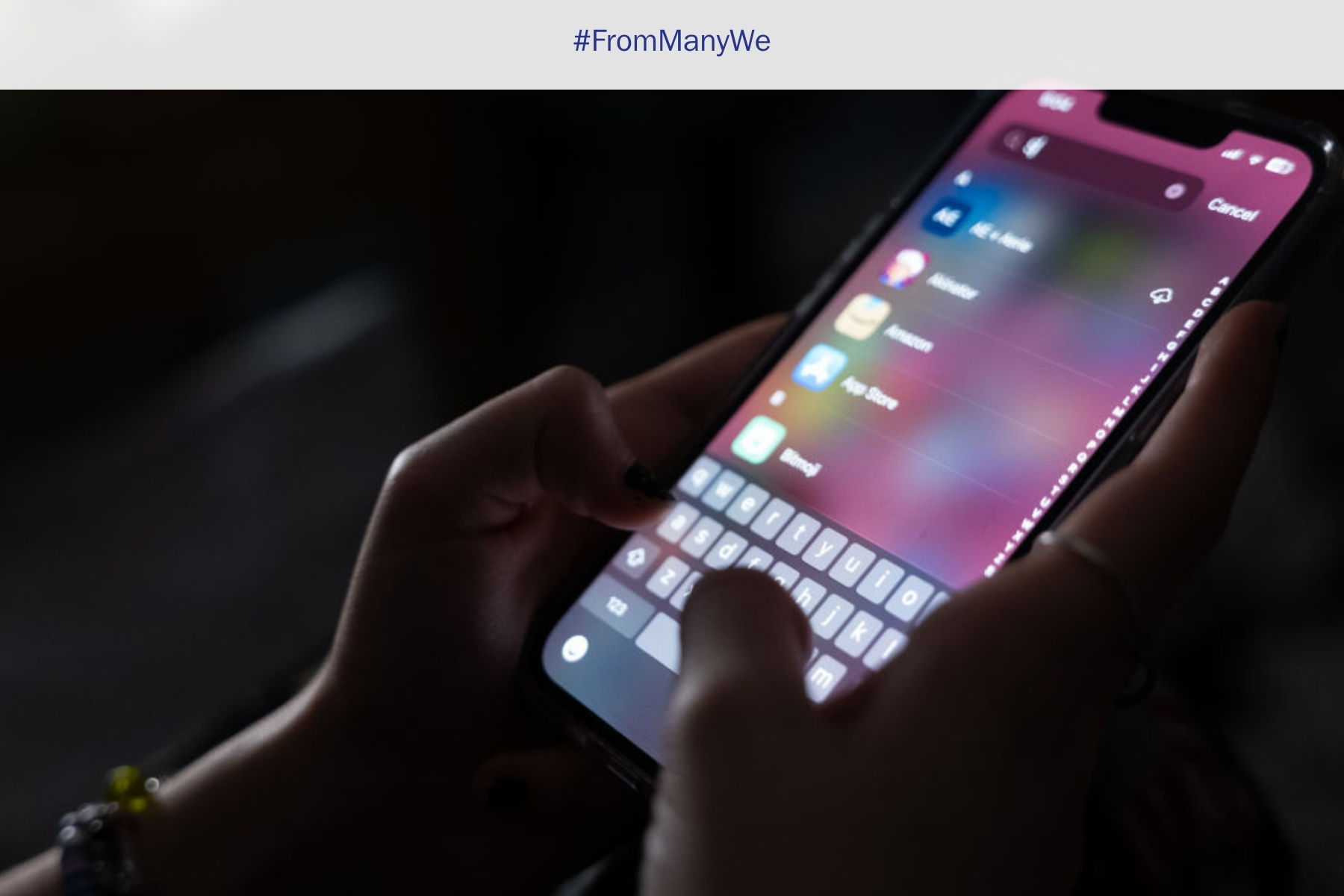
The thread that unites all Bodary’s activities is not just that people get involved, but that they also try to understand one another. When asked what changes he has seen in the interactions among students over his decades of teaching, Bodary said that cell phones have had the most dramatic impact.
“Students are less interpersonally adept,” he said. “At one time, when I would walk into a classroom, students would have the lights on and they’d be talking, and they’d be interacting and learning about one another. Now, I walk into the classroom, the lights are off, and their heads are in their phones.” It’s not just in the classroom, he said, noting that the same thing happens in restaurants.
He uses his classroom instruction to encourage students to learn about local issues, asking them, as part of a persuasive speech, to interview people at a local nonprofit agency. They then examine the question, “What is the problem the agency is trying to address?”
“There’s all kinds of ways that you can engage students, and that doesn’t mean that I’m telling them that it’s their obligation to fix society. I’m trying to just say, hey, you have an opportunity to have an impact,” he said.
Despite these partisan times, Bodary hasn’t seen the sharper edges of partisan politics affect the behavior of his students, at least not in the classroom. “It has definitely affected people on my campus, but I think we’re all very Midwest polite. Students are either holding back and not saying things that they’re feeling, or they’re saying it in such a way that there’s room for others to have other ideas.”
If students can appreciate other viewpoints even if they disagree, Bodary sees that as a sign of progress—and another way to strengthen democracy.
“That’s part of what we try to teach in the classroom. It is to own what you might feel or believe but then leave room for others to have different perspectives. . . . And in a pluralistic society, that’s exactly what we have,” he said.
Maura Casey is a former editorial writer for the New York Times and has worked with the Kettering Foundation since 2010.