Most Americans Say the People’s Role in Democracy Is Failing, But Civic Education and Community Ties Offer a Way Forward, Kettering-Gallup Study Finds
While only one in four Americans believe the people’s role in the democratic process is working well, those who get involved in their communities and have meaningful civic education feel significantly more empowered to create change, according to the latest report from the Democracy for All Project, a multiyear research initiative by the Kettering Foundation in partnership with Gallup. The project is the most extensive annual study of how Americans experience and participate in the democratic system.
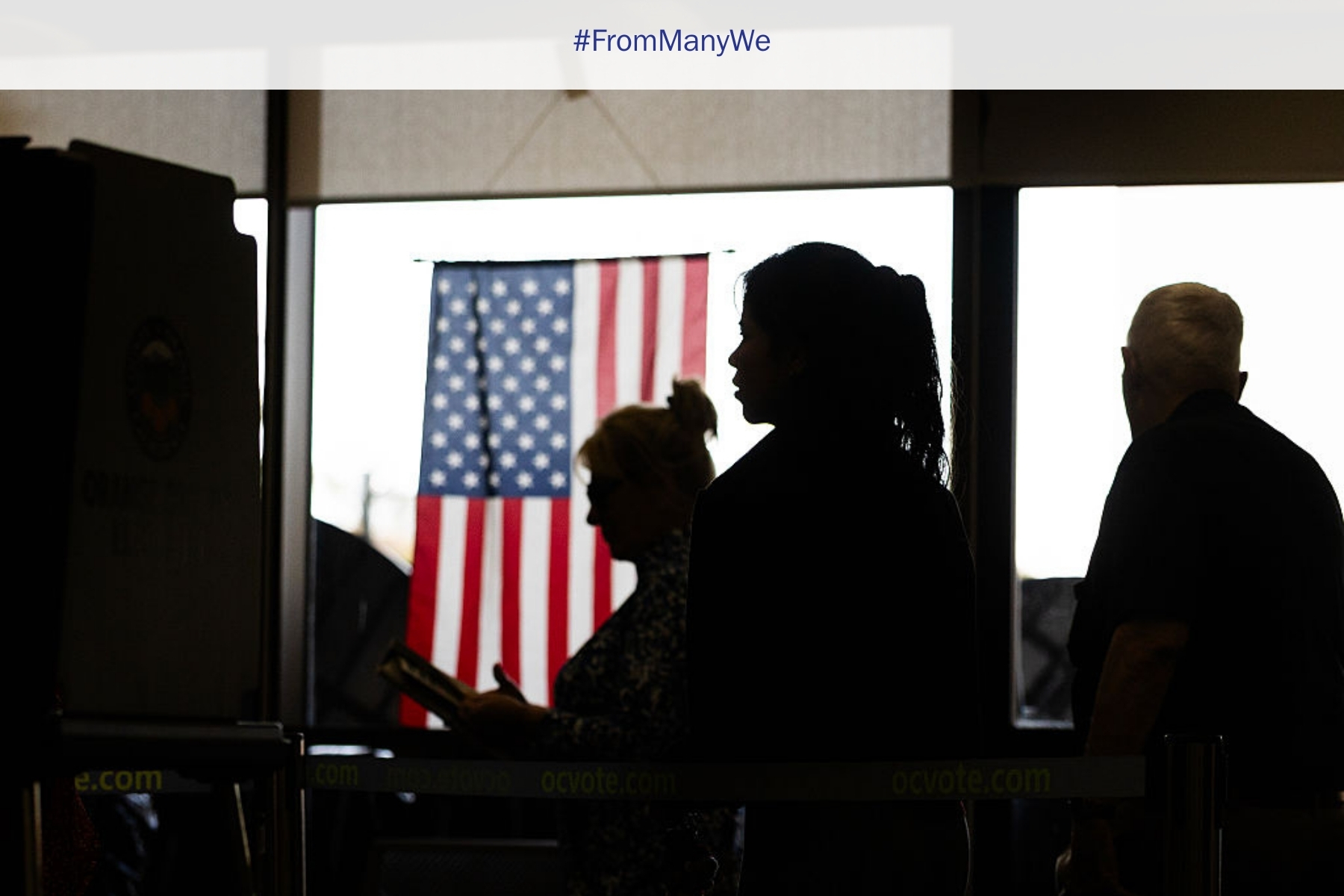
The survey of more than 20,000 US adults finds that the majority of Americans report paying at least a moderate level of attention to government and political matters and actively participating or wanting to participate in organizations or groups aimed at improving their communities. However, Americans are divided on whether ordinary citizens hold meaningful power: 35% say citizens have a great deal or moderate amount of power to create change in the nation, while a nearly equal share (33%) say they have very little or almost none.
“As a research foundation focused on inclusive democracy, we believe that democracy begins with the people: the norms they share and the ways they participate every day,” said Kettering Executive Vice President and COO John Dedrick. “This study shows the multiple ways many citizens are participating—but too many still face obstacles preventing them from doing so.”
Barriers to Participation Are Widespread and Unequal
Nearly three-quarters of Americans (74%) report multiple obstacles to getting involved in issues or causes they care about. Work or family obligations top the list at 47%, but knowledge and access gaps are almost as common: 43% say they haven’t been invited or encouraged to participate, 42% are unsure how to get involved, and 42% say they don’t know enough about the issues.
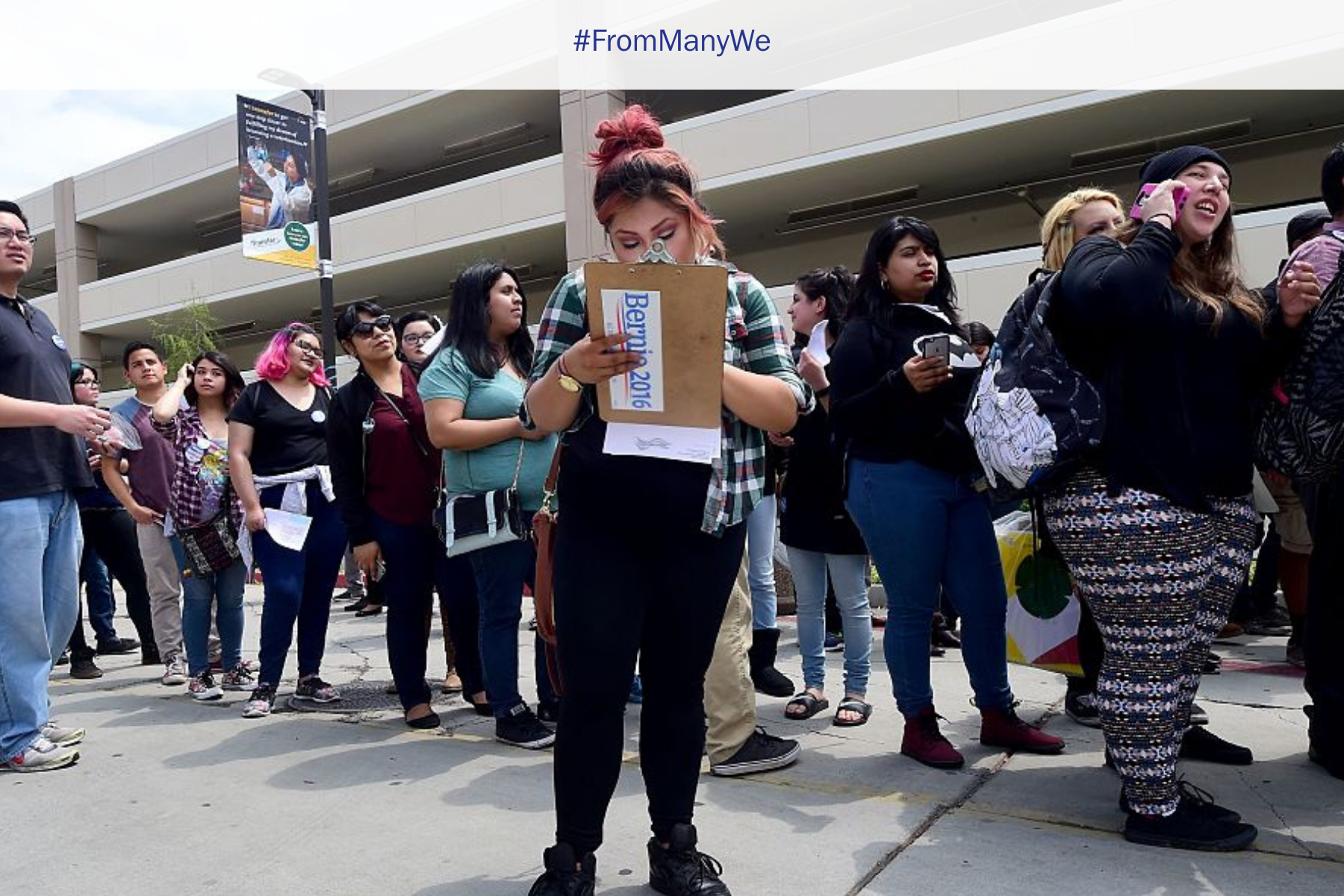
These barriers fall hardest on those already facing disadvantages. Two-thirds of Americans who are finding it very difficult to get by financially report four or more barriers to participation, compared with 37% of those living comfortably on their present income. Young adults report the most barriers of any age group yet express the strongest desire to get involved: Nearly half of young adults who don’t volunteer say they have wanted to participate.
Community Involvement Linked to Stronger Faith in Democracy
Americans who actively participate in their communities hold markedly more positive views of democracy and citizen power:
- 56% of those who frequently attend community events believe ordinary citizens can create change, compared with just 26% of those who never attend.
- Volunteers and those who attend local events are also more likely to agree that democracy is the best form of government and to say that US democracy is performing well.
“This report makes clear that when Americans find ways to participate, whether through volunteering, attending community events, or learning about civics, they develop stronger confidence in democracy itself,” said Justin Lall, principal at Gallup. “The challenge is removing the barriers that keep too many people on the sidelines.”
Heavy Social Media Use: A Mixed Report
Heavy users of social media (those spending five or more hours daily on platforms) are more likely to say they feel valued and respected and to believe in citizens’ power to create change. Yet they are less likely to endorse democracy as the best form of government and more likely to accept political violence, reject compromise, and support government influence over news media. Heavy social media use is also linked to greater feelings of information overload, which is associated with reduced confidence in participating in democratic processes.
Civic Education Emerges as a Powerful Lever
Americans who received both formal civic education in school and informal education from parents or other adults are far more engaged:
- 42% volunteered in the past year, compared with only 20% of those with little or no civic education.
- They are also more than twice as likely to believe the people’s role in democracy is working well (33% versus 16%).
Notably, civic education appears to matter more than educational attainment alone; college graduates and nongraduates with strong civic education backgrounds show similarly elevated rates of participation and perceptions of civic efficacy.
One in four Americans (25%) report receiving little to no civic education of any kind, pointing to a significant opportunity for schools, families, and community organizations to close the gap.
About the Democracy for All Project
The Democracy for All Project is a multiyear collaboration between Gallup and the Kettering Foundation designed to understand how Americans experience democracy and elevate all voices across groups and generations. The reports are based on surveys of 20,338 adults conducted between July and August 2025, with a margin of sampling error of ±0.9 percentage points.