The Moral Path to Reclaiming Democratic Power
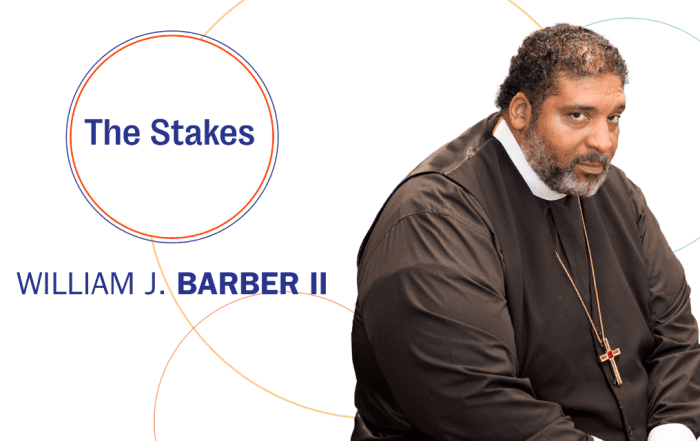
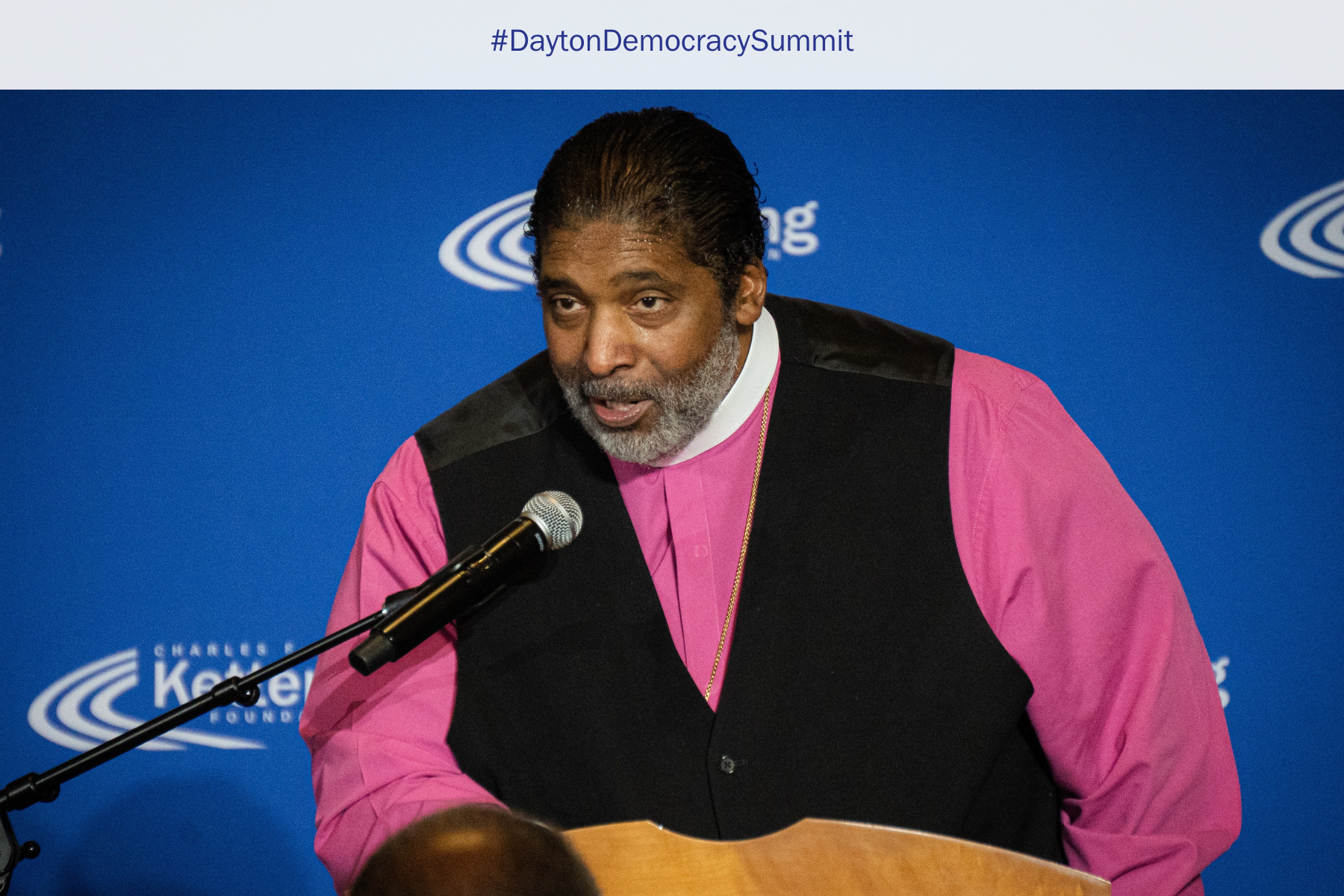
In this episode of The Stakes, Kettering Senior Fellow Rev. Dr. William J. Barber II says the central challenge of this moment is helping people recover their moral vision, recognize their collective power, and move from protest to sustained organizing. Drawing on a recent 51-mile march in North Carolina, he calls for a strategy that builds long-term power among poor and low-wage voters.
He frames issues such as gerrymandering, health care, wages, and voting rights as interconnected forms of policy violence and argues that so-called wedge issues fall away when people see their shared material conditions and moral commitments. He also explains that turning out to vote can actually disrupt systems designed to suppress participation.
Looking ahead to the Public Theology & Public Policy Conference at Yale—which brings together scholars, clergy, and affected communities to lay out the moral stakes of the current moment—his approach emphasizes vision, rather than grievance, as the force that moves people to act.