Why LGBTQ+ People No Longer Believe Democracy Is Working
The Democracy for All Project is a multiyear collaboration between the Kettering Foundation and Gallup. This annual, national survey is designed to understand how Americans experience democracy and elevate all voices across groups and generations. The 2025 report is based on surveys of 20,338 adults conducted between July and August 2025, with a margin of sampling error of ±0.9 percentage points.
I believe democracy is a powerful form of government that can serve the common good. We are a better country for having multiple pathways to make our voices heard—for the right to vote, the right to petition our government, the right to free speech, and the promise of equal protection under the law. These are the core pillars of American democracy. But anyone who has been paying attention knows that those pillars are cracked. And too often, those fractures run straight through the lives of LGBTQ+ people.
According to the Kettering-Gallup Democracy for All Project, a survey released by the Charles F. Kettering Foundation in partnership with Gallup, Americans’ satisfaction with US democracy is in freefall—roughly half of what it was four decades ago. Despite broad agreement with democratic ideals, most Americans believe democracy is performing poorly in the United States. Among those least likely to say democracy is working are LGBTQ+ people, with just 10% reporting that it is functioning well compared to 24% of Americans in general. As a transgender journalist who has covered the increasingly brutal and undemocratic assault on LGBTQ+ rights in this country, that finding comes as little surprise.
The Pillars of Democracy Are Failing LGBTQ+ People
So when one asks why only 10% of LGBTQ+ people say democracy is functioning well, one need only look at those pillars and ask how well they are actually holding for the people who most depend on them. Take the right to equal protection under the law. For LGBTQ+ people, equal protection has been steadily cast aside by the government meant to uphold it. When transgender youth are denied equal protection through health-care bans—handwaved away by the Supreme Court to justify laws designed explicitly to target and restrict us—what is equal about that? When passports are restricted by the federal government, and the Supreme Court ignores the unequal treatment inherent in that, the cracks widen. And when courts allow LGBTQ+ foster children to be placed with families that oppose their identities—exposing them to the risk of conversion therapy—how can anyone seriously argue that this pillar of democracy is still standing strong?
Or take the right to freedom of speech—something the far right now claims to champion and is foundational to any functioning democracy. We cannot change minds if we are not allowed to say what is on our hearts. Yet every day, we see new assaults on the speech of LGBTQ+ Americans, paired with the privileging of speech that denies our identities. College professors are fired for teaching LGBTQ+ topics. Universities that once supported transgender people are told they must accept draconian restrictions on what can be promoted or supported on campus. States move to ban drag—including family-friendly drag—and to pull books from library shelves across the country. In Alabama, policymakers have demanded that positive depictions of transgender people be prohibited, while negative portrayals remain fully permissible. And in Montana, I watched my own wife, Zooey Zephyr, who represents Montana’s 100th House District in the Montana House of Representative, have her microphone shut off on the House floor for daring to speak plainly about the harm anti-transgender laws inflict on young people’s lives. It would seem this pillar, too, has weaknesses.
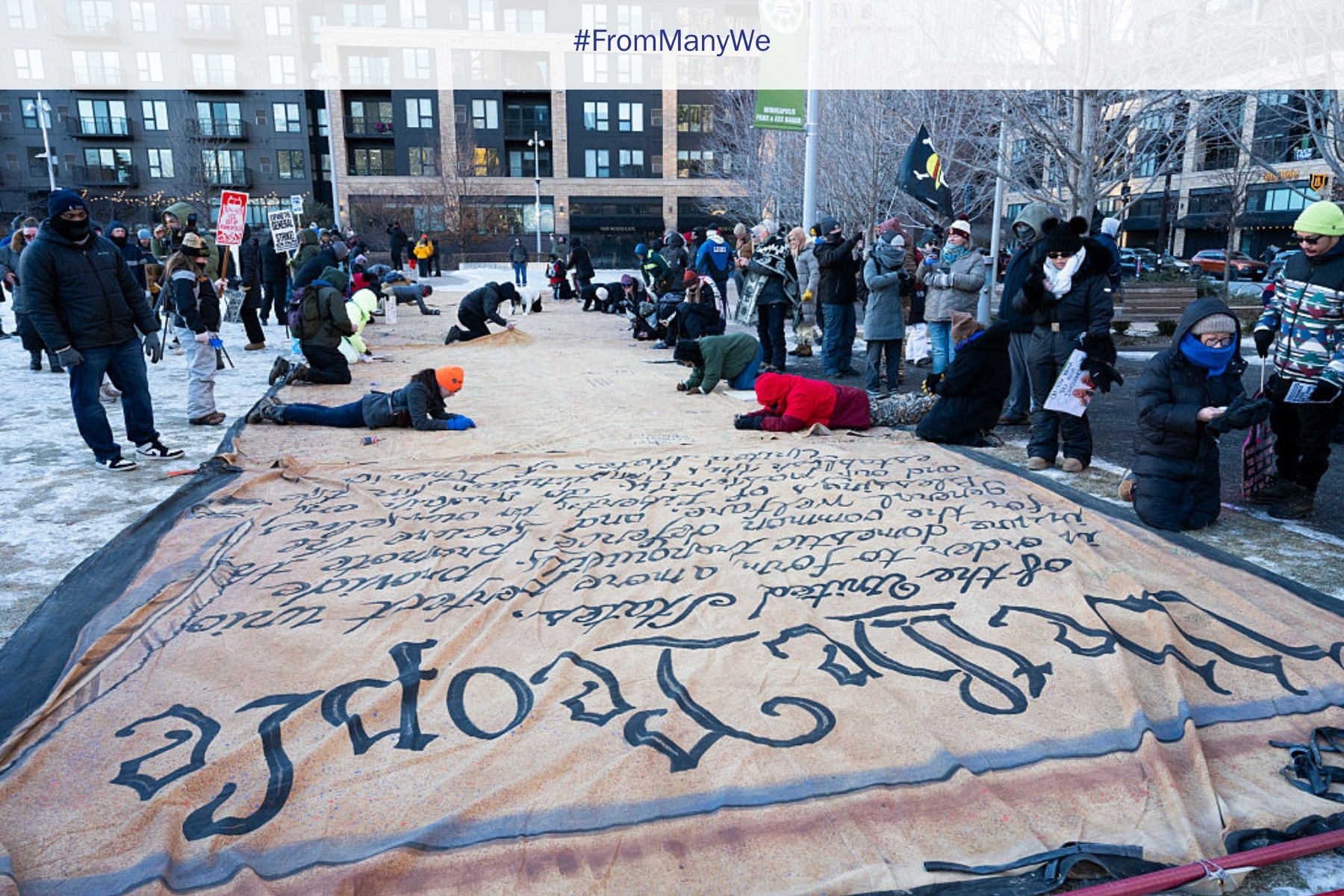
And what of the right to petition our government? Surely this pillar still stands—at least in theory. Yet for LGBTQ+ people, its weaknesses are impossible to ignore. As a transgender journalist, I have covered countless hearings where virtually no one testified in favor of bills restricting transgender rights, while scores showed up to oppose them—only for lawmakers to disregard every speaker and pass those bills anyway. We have watched handpicked members of the Florida Board of Medicine take testimony from anti-trans witnesses then cut off supporters of transgender people with a dismissive “you have our email,” denying them a chance to speak. Public comments opposing draconian anti-trans policies are now routinely ignored altogether. Even the act of petitioning our government—one of democracy’s most basic promises—has become another cracked pillar that LGBTQ+ people recognize all too well.
The Impact of Voter ID Laws
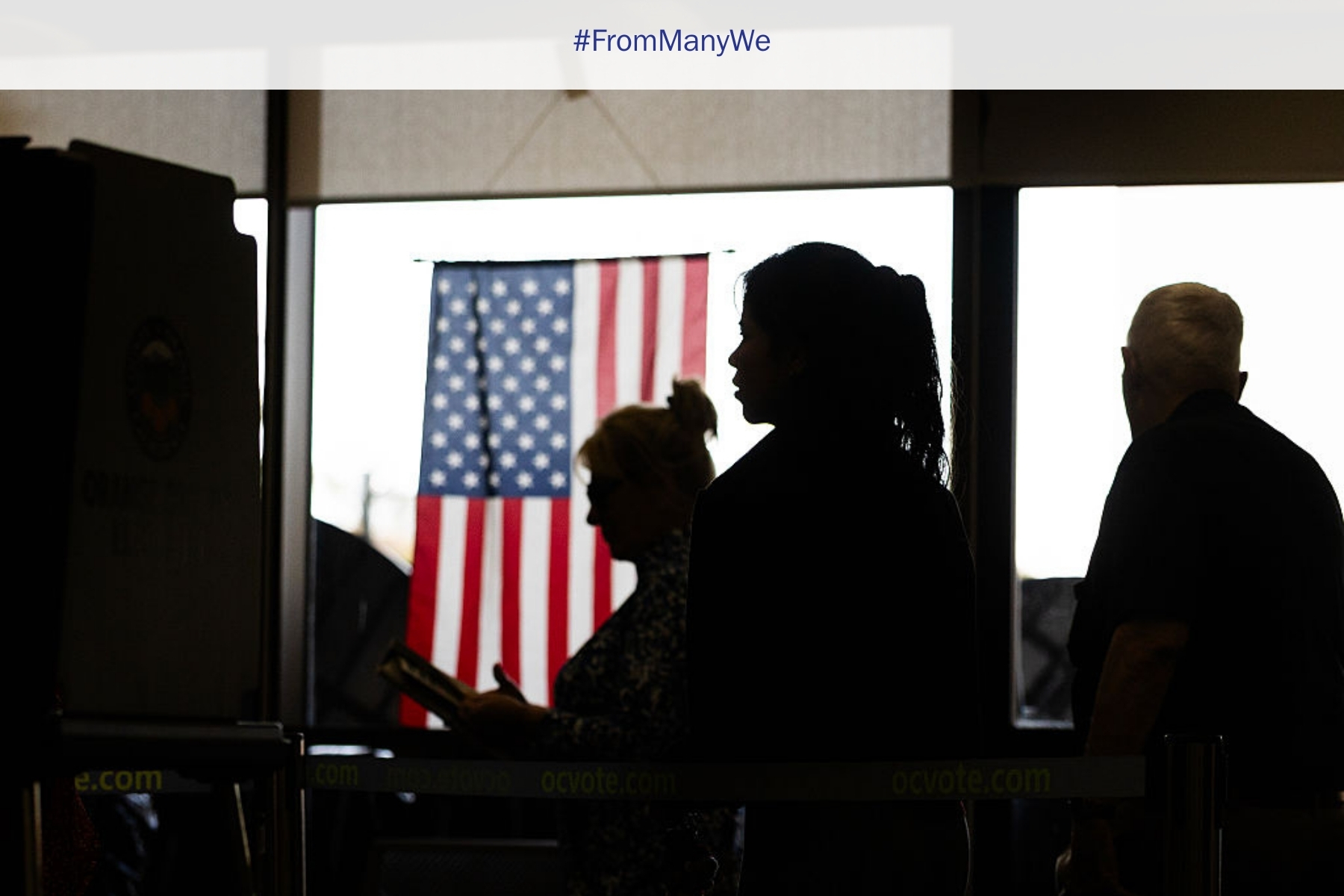
Which brings us to one of the most foundational rights of all: the right to vote. It is among the core guarantees of American democracy. So what does it have to do with LGBTQ+ people, and how do we see cracks in this pillar as well? Strict voter ID laws have already thrown the legal status of driver’s licenses into question for voters in states like Florida and Kansas. The Williams Institute has estimated that hundreds of thousands of transgender voters live in states with strict ID requirements and could face disenfranchisement due to mismatched documents. In 2020, the Human Rights Campaign reported that “an issue with meeting voter identification requirements prevented 24% of LGBTQ adults, 35% of LGBTQ people of color, [and] 42% of transgender people from voting in at least one election in their lives.” Nearly half, 46%, of transgender people of color said they did not vote in one or more elections specifically because their ID listed an incorrect gender, name, or photo. Even this most fundamental pillar of democracy is fractured for LGBTQ+ people.
Making Life Unlivable
Meanwhile, as democracy weakens, the lives of LGBTQ+ people continue to grow harder under the weight of policies that explicitly target us. Transgender people face new restrictions on their legal documents. LGBTQ+ students are denied the ability to learn about themselves in schools. State legislators and public officials openly consider reviving bans on same-sex marriage while continuing to vote against basic equality. Between bathroom bans, health-care bans, sports bans, and countless other intrusions into daily life, LGBTQ+ people, and transgender people in particular, experience a government shaped by the erosion of basic principles, increasingly directing its power toward making our lives more difficult.
So when the Kettering-Gallup Democracy For All Project reports that just 10% of LGBTQ+ people believe democracy in America is functioning well, the finding is not surprising. LGBTQ+ people are the canary in the coal mine of American democracy. When our faith collapses, it is because we are living first with the consequences of democratic failure. And that should alarm everyone else. The same anti-democratic tools used to silence, exclude, and erase the most marginalized are never confined to one group. They are rehearsed on us, normalized through us, and then expanded outward—until anyone who falls out of favor with those seeking to consolidate power finds themselves standing under the same cracked supports.
A Call for Solidarity
Recognizing that these pillars are cracked does not mean American democracy is dead. The structure has not collapsed—at least not yet. Transgender and queer people are among the many marginalized communities who noticed its failures first, and we have been among the first to do the work required to keep it standing. You will find trans people leading the protests to protect those terrorized by ICE. You will find queer people defending the rights and dignity of the unhoused. And you will find LGBTQ+ people organizing politically at every level, from local school boards to national movements. We are still fighting for democracy. Democracy will survive if our allies can recognize that attacks on the most vulnerable are attacks on democracy itself and join our fight.
Erin Reed (she/her) is a transgender journalist based in Washington, DC. She tracks LGBTQ+ legislation around the United States for her subscription newsletter, ErinInTheMorning.com.
From Many, We is a Charles F. Kettering Foundation blog series that highlights the insights of thought leaders dedicated to the idea of inclusive democracy. Queries may be directed to fmw@kettering.org.
The views and opinions expressed by contributors to our digital communications are made independent of their affiliation with the Charles F. Kettering Foundation and without the foundation’s warranty of accuracy, authenticity, or completeness. Such statements do not reflect the views and opinions of the foundation which hereby disclaims liability to any party for direct, indirect, implied, punitive, special, incidental, or other consequential damages that may arise in connection with statements made by a contributor during their association with the foundation or independently. The views and opinions expressed by contributors are likewise made independent of their affiliation with Gallup and without Gallup’s warranty of accuracy, authenticity, or completeness. Such statements do not reflect the views and opinions of Gallup, which hereby disclaims any association with or endorsement of such content.