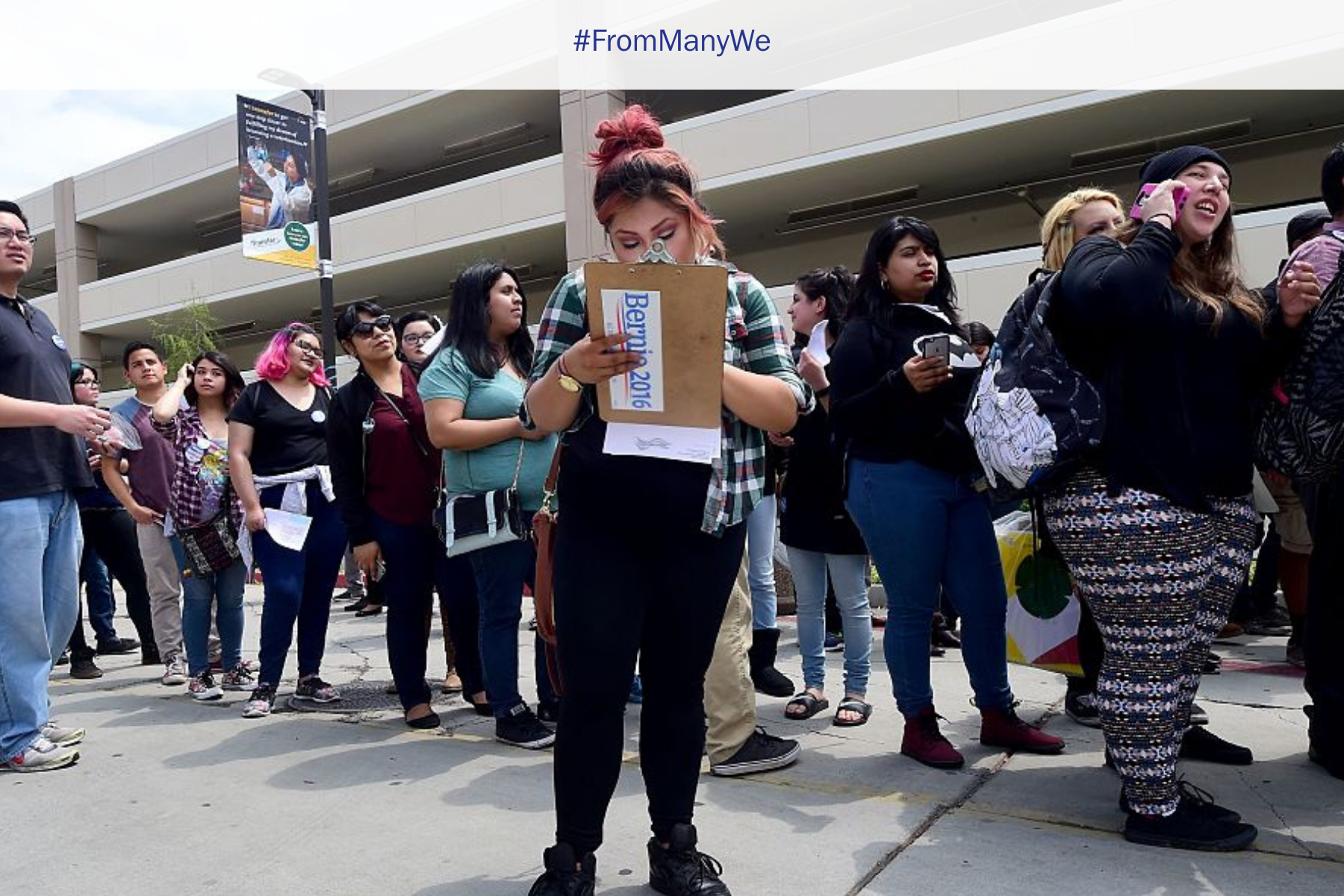
America’s Democracy Is in Decline
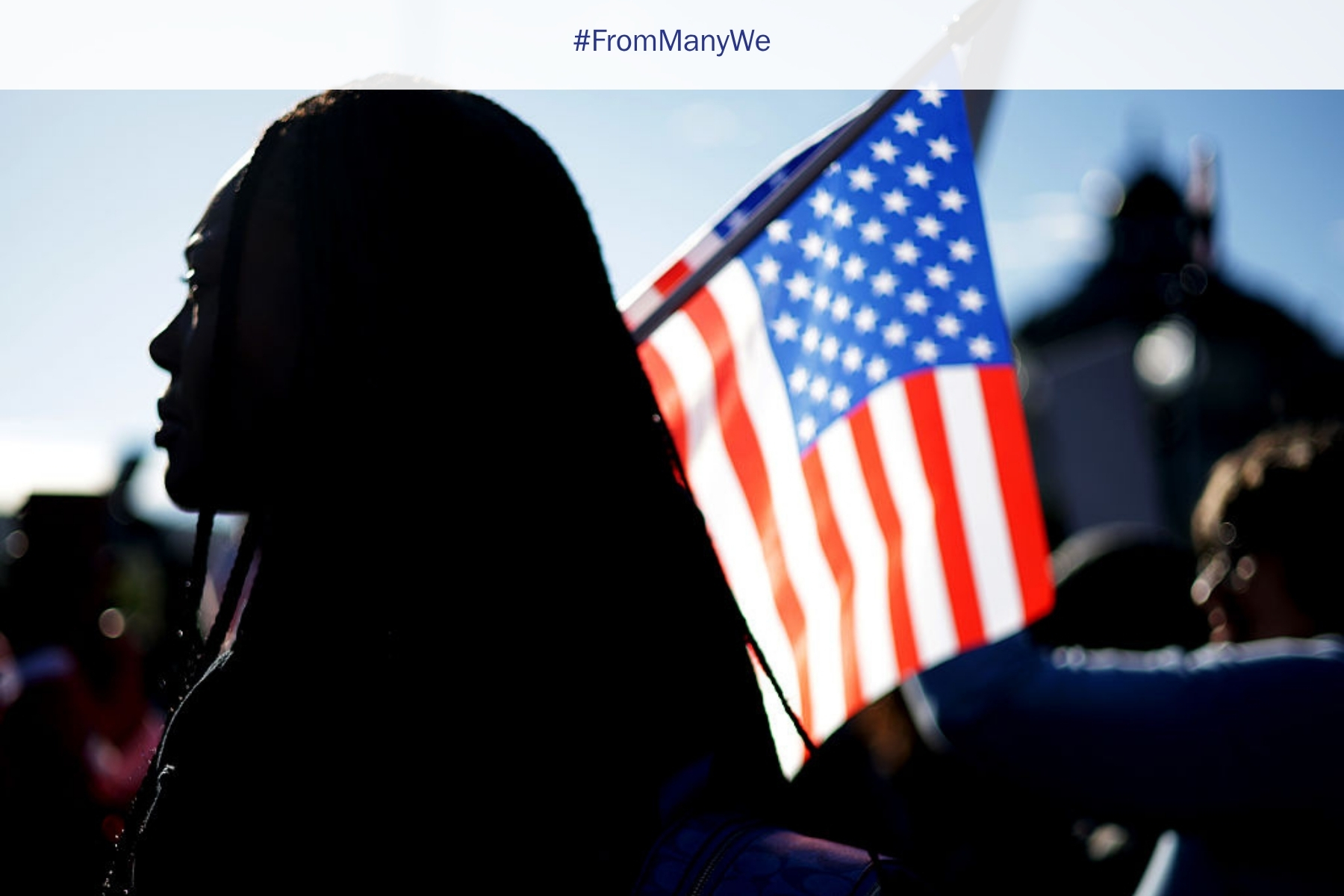
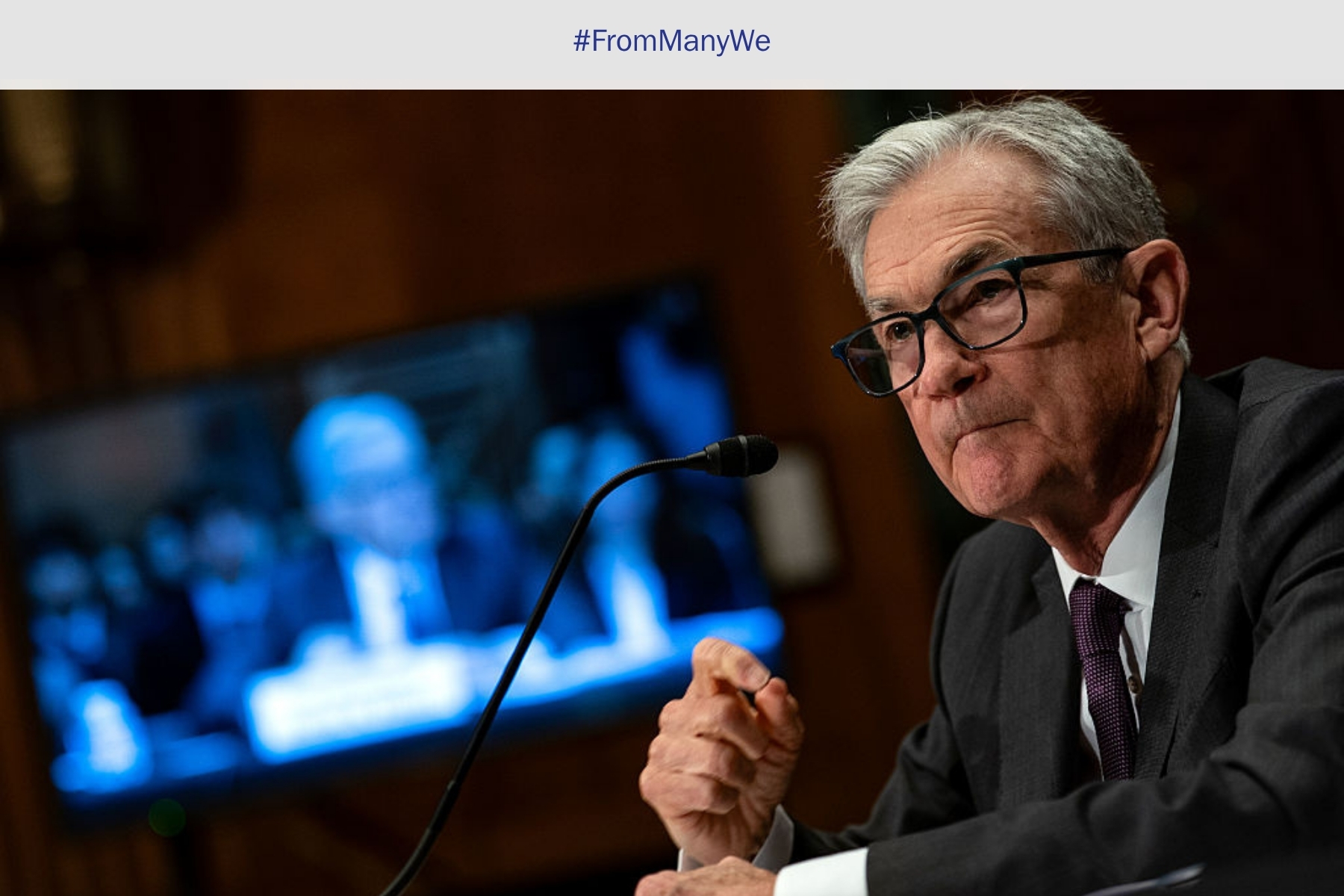
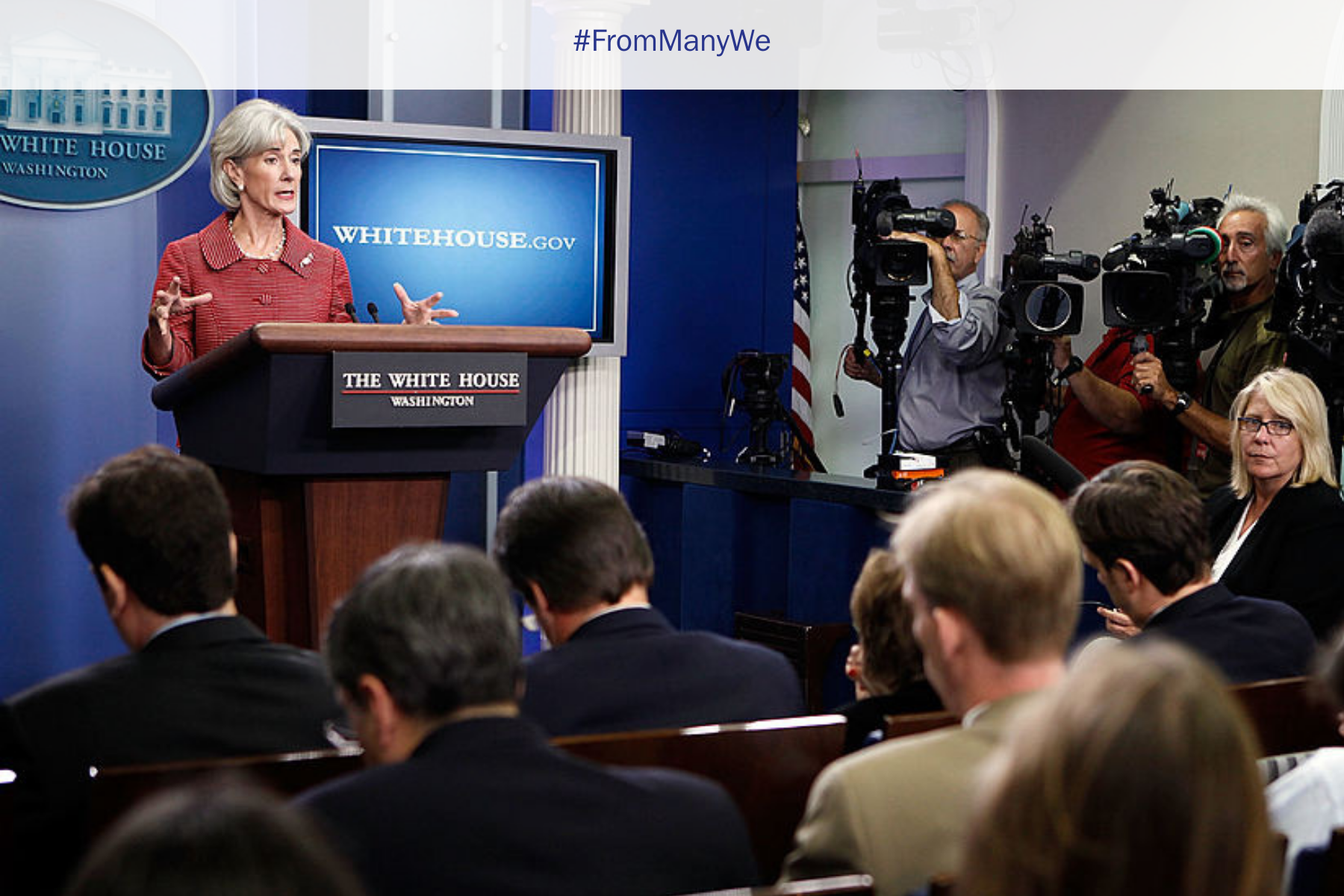
Photo by Alex Wong/Getty Images.
The Democracy for All Project is a multiyear collaboration between the Kettering Foundation and Gallup. This annual, national survey is designed to understand how Americans experience democracy and elevate all voices across groups and generations. The November 2025 and March 2026 reports are based on surveys of 20,338 adults conducted between July and August 2025, with a margin of sampling error of ±0.9 percentage points.
Freedom in the World, an annual report by Freedom House, assesses political rights and civil liberties globally, rating countries and territories on a 100-point scale and assigning one of three statuses: Free, Partly Free, and Not Free. While the United States continues to be rated Free, its score has declined from 93 to 81 since 2005.
The overwhelming majority of Americans agree that democracy is the best form of government. But according to the first report from the Democracy for All Project, a collaboration between the Charles F. Kettering Foundation and Gallup, over half of the people surveyed think that American democracy is performing poorly.
New research by Freedom House suggests that this negative impression is more than a feeling. The recently published Freedom in the World 2026 report highlights concrete problems with the institutions that Americans are losing confidence in, specifically Congress and the justice system. We argue that long-term issues like legislative dysfunction and gridlock, alongside discrimination and a weakening of anticorruption safeguards, are eroding confidence in democracy and worrying many Americans. We conclude that to counteract these trends, policymakers and civil society groups should engage 18-to-29-year-olds, who the Kettering-Gallup survey suggests are eager to be involved in their communities. Helping young people transform their enthusiasm into action could go a long way to both improving America’s political institutions and shoring up faith in democracy.
Democracy Performance and Government Dysfunction
Americans think democratic institutions are not working well. Over half of the respondents in the Kettering-Gallup survey said that Congress is performing poorly. Almost half, 46%, said that the executive branch is not meeting expectations.
The Freedom in the World report highlights some of the reasons that Americans may be disappointed. While elections in the US remain free and fair, chronic partisan polarization has fueled dysfunction and obstructionism in Congress and has made that branch of government less effective in carrying out the responsibilities assigned to it by the US Constitution. In recent years, delays in appropriations have led to several partial government shutdowns, while difficulties maintaining stable voting majorities and choosing a Speaker of the House have slowed productivity and stalled legislation. For many Americans, it may appear that gridlock in Congress has supplanted deliberation, consensus building, negotiation, and other ways for elected leaders to create and implement policies that reflect voter interests.
Inequality and the Rule of Law
Equality under the law is a core principle of democracy and one that many Americans see as a crucial part of the fabric of the country. But only 22% of respondents in the Kettering-Gallup survey think that this principle is being held up in practice. The Freedom in the World report points to some reasons for this.
Despite a deep-rooted commitment to the rule of law, the US criminal justice system is plagued by funding shortfalls and discrimination that produce disparate outcomes for minority groups. A shortage of public defenders, the widespread use of plea bargaining to avoid trial, long periods of pretrial detention for those unable to afford bail or fines, and mandatory sentencing policies have all contributed to high rates of incarceration, particularly for minorities.
While the criminal justice system delivers unequal and often far worse outcomes for members of minority groups and those without access to significant resources, impunity for wealthy individuals, corporations, and politicians seems to be on the rise.
In 2024, a Supreme Court ruling curtailed the ability of prosecutors to charge state and local officials for accepting gifts after performing an official act. That same year, the Supreme Court also expanded presidential immunity, ruling that presidents had absolute immunity from criminal prosecution for acts connected to their core constitutional authority and presumptive immunity for all other official acts. President Biden issued controversial preemptive pardons to his family members and others before leaving office. And President Trump pardoned numerous politicians and high-profile individuals who had been convicted of financial crimes and corruption during his first year in office while at the same time removing staff from offices that monitor official corruption. His administration has given access to corporations at unprecedented levels. All of these actions leave many Americans feeling that there is one system for them and another for wealthy, privileged elites.
There is much partisan debate about the first year of the current administration and the threats to democracy that the United States now faces. Yet many of President Trump’s actions are accelerating trends that were already under way in American democracy. This is not solely a problem of the right or left. Ultimately, only bipartisan approaches will ensure that American democracy remains strong and that Americans believe democracy can deliver results and address the challenges they and their families face.
Young People and the Future of Democracy
According to the first report on the Kettering-Gallup survey, support for democracy varies by age, with 80% of respondents 65 and older agreeing that democracy is the best form of government but only 53% of 18-to-29-year-olds saying the same. Youth disengagement from organized politics is worrying. In 2024, 42% of 18-to-29-year-olds cast a ballot in the general election. That was down from 48% in 2020 and down from around 50% in earlier elections. One survey suggested that the key reason for nonparticipation was dissatisfaction with the available candidates.
But this somewhat discouraging finding has a silver lining. The second report from the Kettering-Gallup Democracy for All Project, released in March 2026, found that 30% of young people report participating in groups or organizations designed to improve conditions in their community and another 40% report that they have not volunteered but would like to. People who are involved in their communities also expressed a more positive view of democracy.
Getting young people involved in organized politics, with issues they already value in their communities, may be one way to tackle democratic deterioration. The Freedom in the World 2026 report finds that young people are frustrated with politics all over the globe, including Africa, the region with the world’s youngest population. Freedom House recommends that policymakers and civil actors create pathways for youth participation and leadership in politics. These pathways will help to transform political expectations into political agency.
Social media plays a powerful role in shaping the views of young people. The Kettering-Gallup survey found that people of all ages who spend more time on social media tend to believe that their voices matter in political life and that the government is sensitive to their interests. Policymakers and companies should therefore make an effort to counter manipulation of the online environment, where people are increasingly getting their political information. Initiatives that strengthen open, safe, and rights-respecting digital ecosystems improve the online experience for everyone.
Belief in democracy is central to its endurance and worth protecting. It will be up to new generations of Americans to ensure that America’s democratic decline is halted and ultimately, reversed.
Jamie Fly is CEO of Freedom House. Yana Gorokhovskaia is research director for strategy and design at Freedom House and a coauthor of the report Freedom in the World 2026.
From Many, We is a Charles F. Kettering Foundation blog series that highlights the insights of thought leaders dedicated to the idea of inclusive democracy. Queries may be directed to fmw@kettering.org.
The views and opinions expressed by contributors to our digital communications are made independent of their affiliation with the Charles F. Kettering Foundation and without the foundation’s warranty of accuracy, authenticity, or completeness. Such statements do not reflect the views and opinions of the foundation which hereby disclaims liability to any party for direct, indirect, implied, punitive, special, incidental, or other consequential damages that may arise in connection with statements made by a contributor during their association with the foundation or independently. The views and opinions expressed by contributors are likewise made independent of their affiliation with Gallup and without Gallup’s warranty of accuracy, authenticity, or completeness. Such statements do not reflect the views and opinions of Gallup, which hereby disclaims any association with or endorsement of such content.