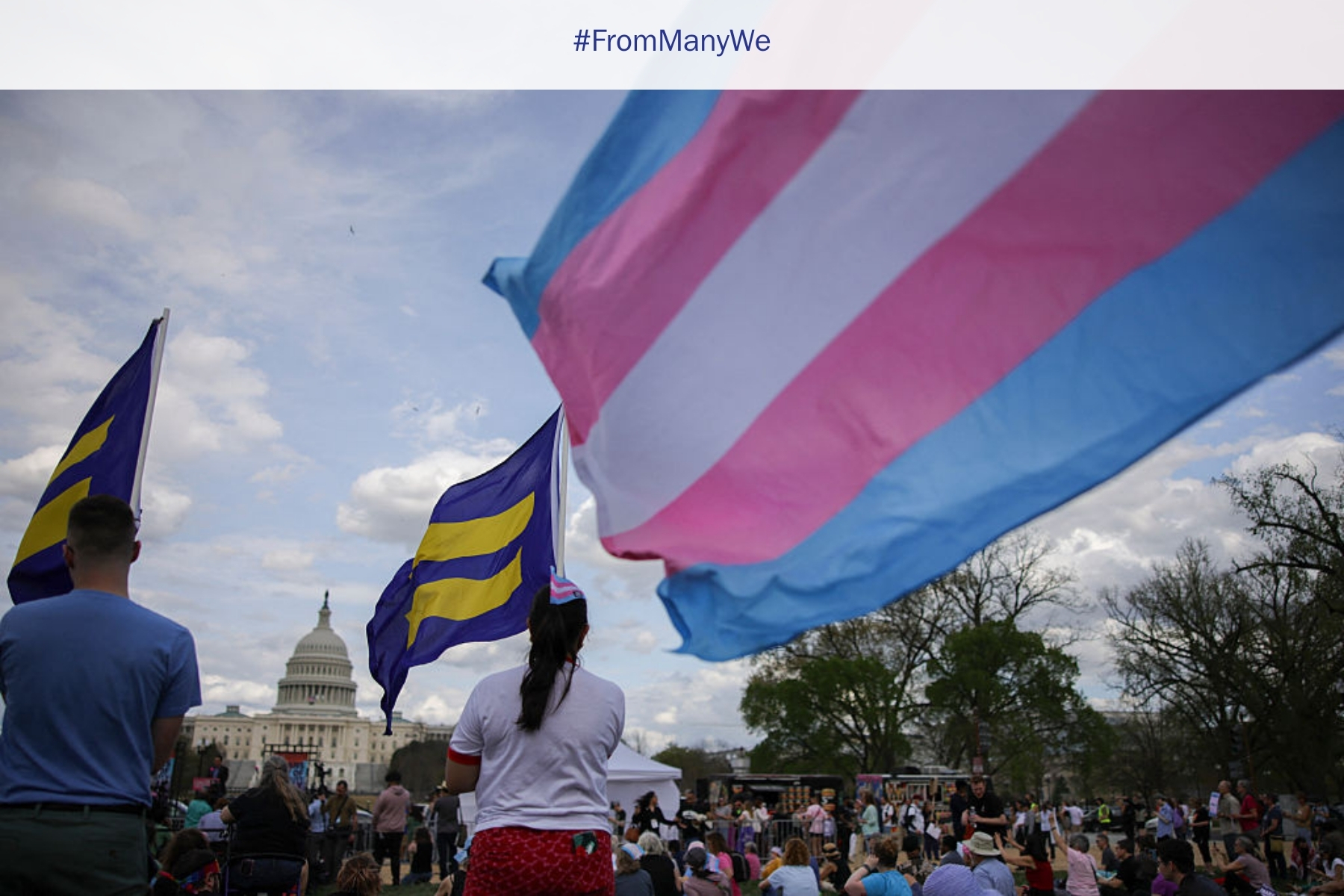
US Democracy at 250: Closing the Gap Between Reality and the Ideal
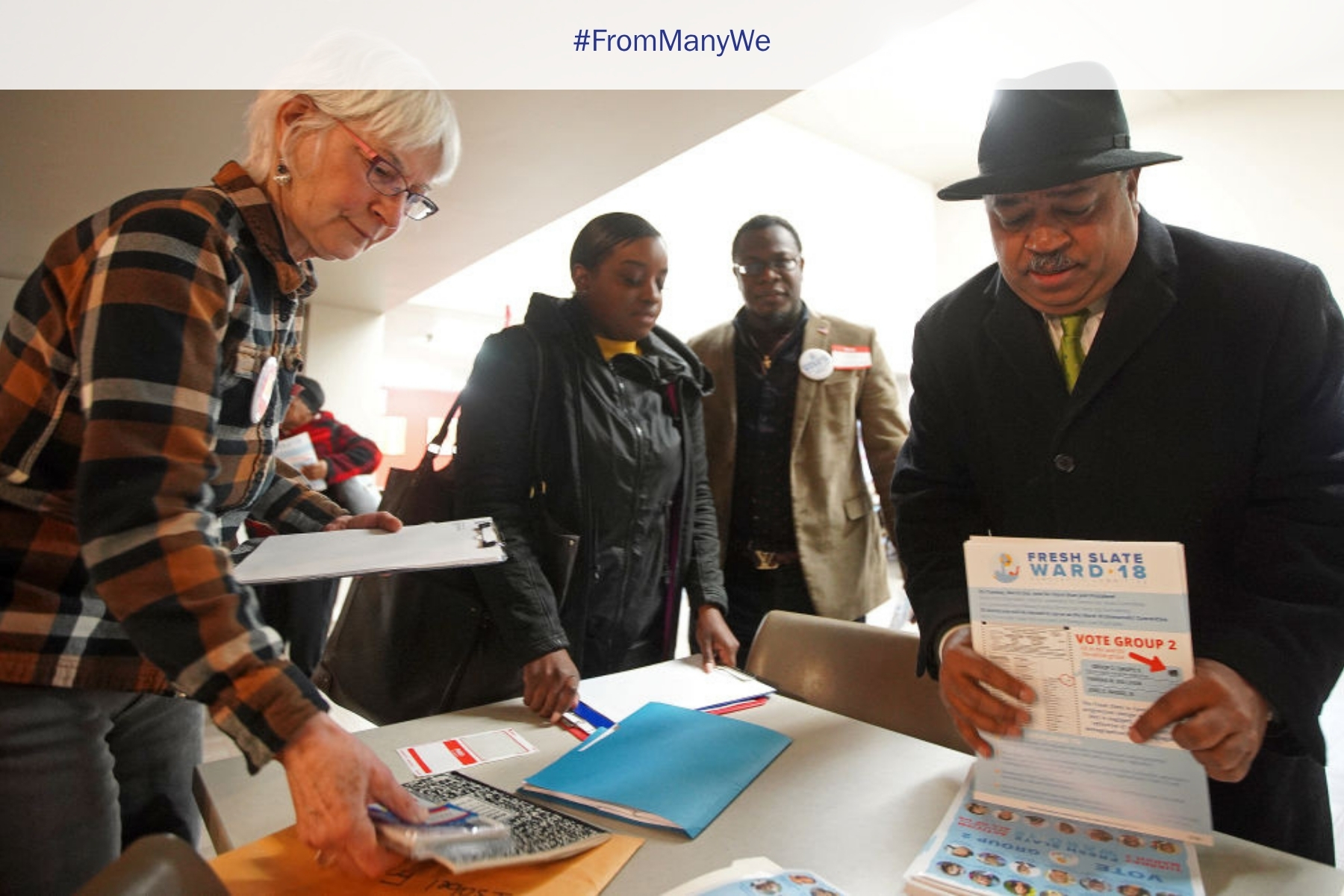
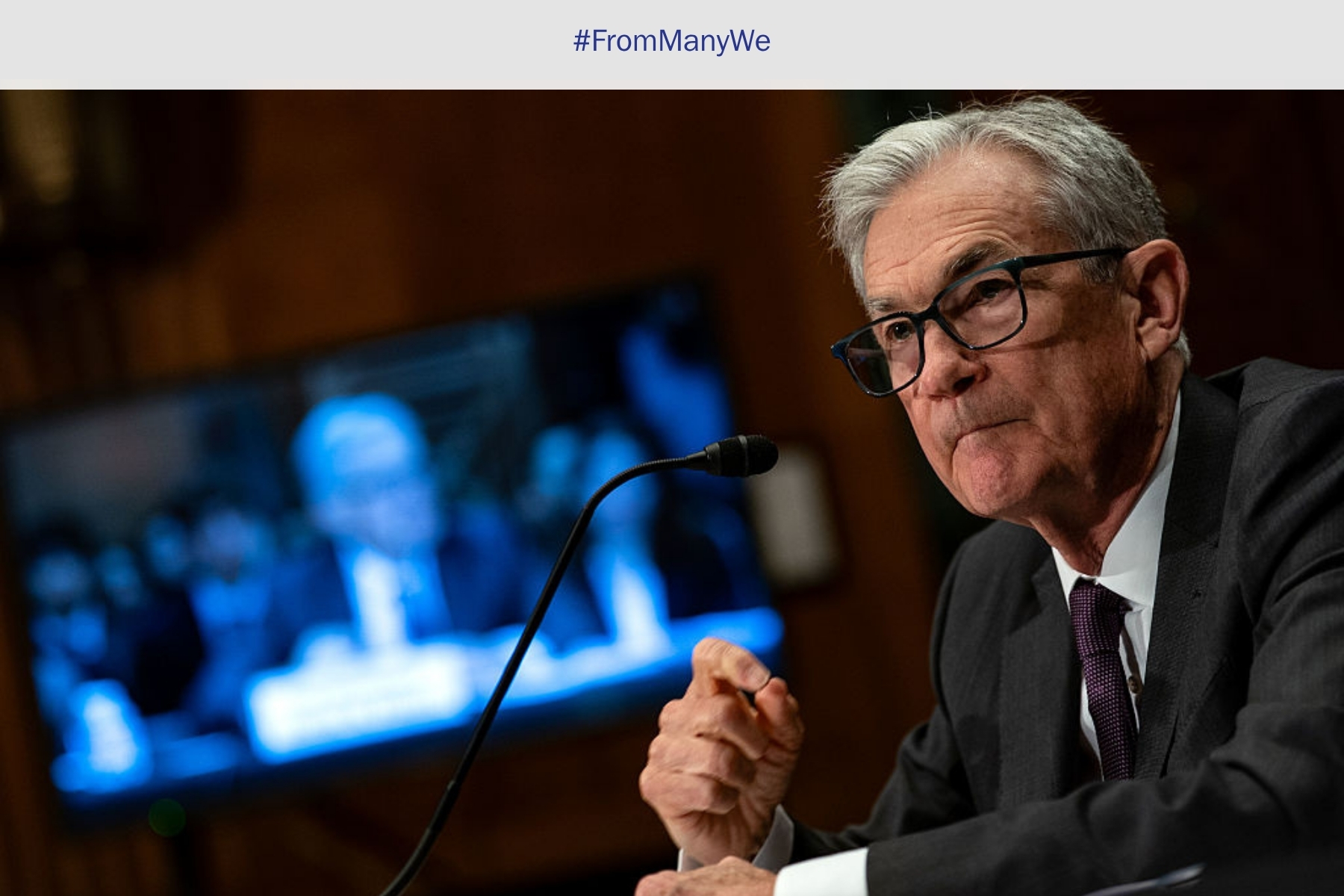
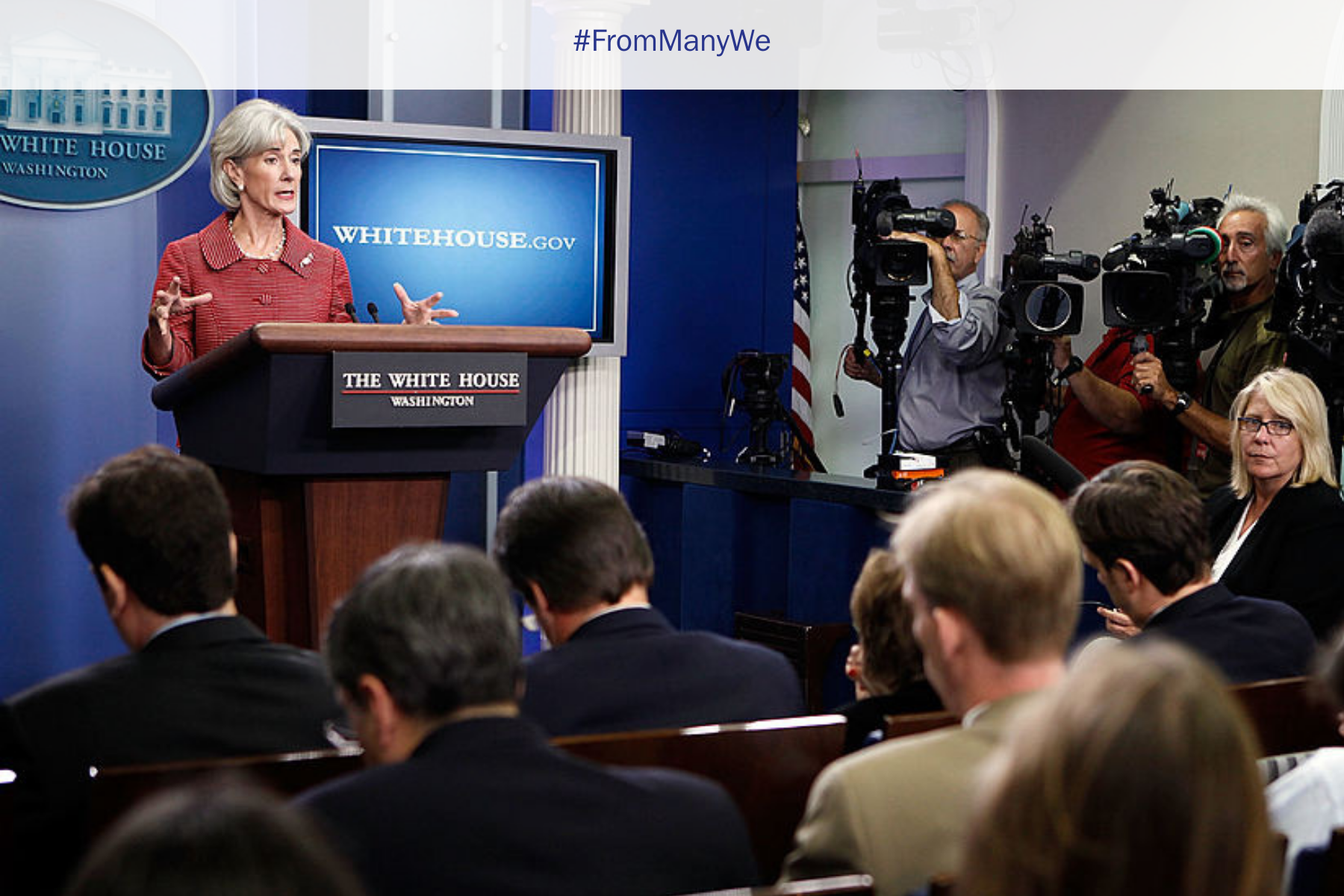
Photo by Barry Chin/The Boston Globe via Getty Images.
The Democracy for All Project is a multiyear collaboration between the Kettering Foundation and Gallup. This annual, national survey is designed to understand how Americans experience democracy and elevate all voices across groups and generations. The 2025 report is based on surveys of 20,338 adults conducted between July and August 2025, with a margin of sampling error of ±0.9 percentage points.
As the United States marks its 250th anniversary, one question at the heart of the American experiment feels more urgent than ever: What does democracy mean to the people it is meant to serve?
This question feels more relevant given the recent unprecedented executive overreach and the failure of our system of checks and balances. At the same time, Americans in Minneapolis, Los Angeles, and throughout the country have demonstrated resolve to protect our freedoms, even in the face of intimidation.
In this moment, Americans are not just arguing about policies, they are also wrestling with the very idea of democracy itself. New research by Metropolitan Group (MG), led by the author of this post, and the Kettering Foundation (in partnership with Gallup) offers an illuminating window into how people across the country understand democracy today, what they value about it, and where they believe it is falling short.
Two Studies Looking at Democracy from Different Angles
The Democracy for All Project, a partnership of the Kettering Foundation and Gallup, recently released “Is Democracy Working?” the first report from an annual survey of Americans’ attitudes toward and experiences with democracy.
The “Pro-Democracy Playbook” is a research project MG conducted to examine the narrative landscape around democracy. The project’s core finding that “freedom matters” is an evidence-based narrative that can be used to advance the principles, institutions, and practice of inclusive democracy in the United States. As part of that effort, which included focus groups conducted before and after the 2024 presidential election, we engaged Prime Group to survey US adults in late July 2025. The findings from this survey are described in the “Research + Findings Report” as part of the launch of the “Pro-Democracy Narrative and Message Guide.”
The Kettering-Gallup research report serves an important diagnostic purpose by providing insights into current perceptions of democracy and the life experiences and circumstances influencing those perceptions. Our study actively tested ways to advance a new narrative about democracy that would resonate across a broad swath of the American public to provide guidance to pro-democracy advocates in pushing back against the rising tide of authoritarianism in the United States.
Together, these two studies suggest six clear takeaways and actionable insights on how to resolve the gap between the ideals and promise of democracy to which Americans are deeply attached yet carry disappointment with its current reality. Opportunities to increase understanding and participation are also identified.
1. Americans Prefer Democracy but Are Disappointed by Its Performance
Both studies found that 67% of those surveyed agree that either “democracy is the best form of government” (Kettering-Gallup) or they express a strong preference for “a political system for the US in which leaders are accountable to the people, no one is above the law, and no branch of government has too much power” (MG). Notably, the Kettering-Gallup survey explicitly referenced “democracy” but allowed the respondent to define the term while the MG survey defined democracy without explicitly naming it. Together these results show that the democracy “brand”—including the values and expectations people associate with democracy, like freedom, fairness, and having a voice—is still strong.
At the same time, Kettering-Gallup found that 51% of Americans believe US democracy is performing poorly. This sentiment also surfaced repeatedly in the focus groups we conducted before and after the 2024 presidential election. People’s frustrations are concrete rather than abstract. They point to a justice system they do not trust, leaders who do not seem accountable, institutions that feel distant from everyday life, and a belief that democracy works better for some than for others.
The Kettering-Gallup survey found that views on democracy are deeply tethered to a person’s financial security and quality of life. It found that 63% of Americans who find it “very difficult” to get by financially believe democracy is performing poorly and they are significantly less likely to feel they have opportunities to participate in it.
Recognizing the disappointment with democracy that had been increasingly observed in numerous studies both globally and here in the US (including our own focus groups in 2024 and 2025) over recent years, MG developed and tested messaging in the July 2025 survey directly addressing it. Referencing a set of freedoms at the heart of our democracy (“the right to have our voices heard, to make our own decision, to be treated fairly by the justice system, and to vote in free and fair elections”), we tested the following: “Our country hasn’t fully lived up to these freedoms, but a strong democracy isn’t afraid to admit that and do the hard work of being better tomorrow.” This was a persuasive reason for 62% of respondents who said that Americans should work together to improve our democracy. This statement was also strongly endorsed by MG’s focus group participants across the political spectrum for whom acknowledging their disappointment was critical to retaining the believability of the tested narrative.
2. Openness to Authoritarianism Exists, Especially Among Young Adults
Our survey found that support for authoritarian leadership (i.e., “a leader who has decision-making power without limits or accountability to the people, Congress, or the courts”) is relatively low, with only 5% strongly preferring such a system for the US and another 7% leaning in that direction. However, our survey also found that those who strongly support such a system of government are more likely than the survey sample (by 10 points) to be 18–34 years old. The Kettering-Gallup report reveals that only 53% of adults aged 18–29 believe democracy is the best form of government, 10 points lower than the next age group and nearly 30 points lower than seniors.
3. Americans Are United on Democratic Principles—Especially Freedom
Reinforcing what other research has shown, both studies found that core democratic principles resonate powerfully with Americans, including the right to free, nonviolent expression. The qualitative and quantitative research by MG has found that freedom is, in fact, the most powerful and unifying value associated with democracy. In our survey, more than 90% of respondents connected freedom directly to democracy.
When democracy is described in terms of the freedom to speak, live, and participate without fear, it resonates across political differences. This framing consistently outperformed more technical descriptions of democratic institutions or processes.
4. Views of Democracy Are Shaped by Lived Experience
The Kettering-Gallup study found that perceptions of whether democracy is working are closely tied to lived experience. Among those “living comfortably,” 76% say democracy is the best form of government. Just 12% of those struggling financially think US democracy is working well. For many Americans, dissatisfaction with democracy is closely linked to economic stress and a feeling that the system is not delivering tangible benefits in their lives.
Our focus groups and survey tested messages that explicitly linked democratic freedom to economic opportunity, health care, education, and housing, and found these messages resonated strongly. Democracy feels more relevant when it is connected to daily realities and pathways to stability and prosperity.
5. When Democracy Is Seen as More than Voting, Interest Increases
The Kettering-Gallup study found that 72% of Americans say it is easy to vote, though this varies by race and education level. But far fewer feel confident in other forms of participation. Only 48% feel they can effectively share concerns with officials, and many struggle to define democracy beyond elections. MG’s qualitative research found that people often ask, “What else can I do besides vote?” Interest in engagement increased when democracy was described as speaking your mind, holding leaders accountable, participating in community decisions, and expecting checks and balances. People want to participate more, they just need a clearer picture of how and reassurance that their participation matters.
6. Americans Believe in Pluralism and Compromise
Despite deep political polarization, and overt efforts to encourage it, the Kettering-Gallup survey found that Americans overwhelmingly agree that having a mix of races, religions, and cultures benefits the nation and that those elected to lead us should compromise to get things done. In the MG survey, 63% agreed that debate and compromise are signs of a strong democracy. People do not see compromise as weakness. They see it as how democracy is supposed to work and as evidence that leaders are listening to different perspectives.
What This Means at 250 Years
Taken together, the research efforts by MG and Kettering-Gallup point to a clear conclusion: Americans have not lost faith in democracy as an ideal. They are frustrated by how it is functioning in practice, uncertain how to engage beyond voting, and eager to understand how democracy connects with their everyday lives.
The research also suggests practical ways forward: talk about democracy in terms of freedom, fairness, and everyday life; connect democracy to economic opportunity and security; emphasize justice, accountability, and checks and balances; acknowledge where democracy is falling short and remind people that we can improve it together; and show people how they can participate beyond elections using plain, human language.
As the nation marks 250 years, the task is to reconnect democratic ideals to people’s lived experiences and restore a sense that democracy is something people can see, feel, and shape in their own lives. The gap between belief and experience is real. and closing this gap is where renewal and recommitment to a democracy for we, the people is most possible.
Kevin T. Kirkpatrick is the head of strategic communications at Metropolitan Group, a strategic and creative social impact agency that supports change agents in building a just, healthy, and sustainable world. Kirkpatrick is the principal author of Metropolitan Group’s approach to narrative as a tool of social change and has worked extensively on pro-democracy narratives and messaging both globally and in the United States.
From Many, We is a Charles F. Kettering Foundation blog series that highlights the insights of thought leaders dedicated to the idea of inclusive democracy. Queries may be directed to fmw@kettering.org.
The views and opinions expressed by contributors to our digital communications are made independent of their affiliation with the Charles F. Kettering Foundation and without the foundation’s warranty of accuracy, authenticity, or completeness. Such statements do not reflect the views and opinions of the foundation which hereby disclaims liability to any party for direct, indirect, implied, punitive, special, incidental, or other consequential damages that may arise in connection with statements made by a contributor during their association with the foundation or independently. The views and opinions expressed by contributors are likewise made independent of their affiliation with Gallup and without Gallup’s warranty of accuracy, authenticity, or completeness. Such statements do not reflect the views and opinions of Gallup, which hereby disclaims any association with or endorsement of such content.